Don’t just like it, live it!

11 – 13 February

Artistic direction by Cédric Pescia frames a collective traversal of György Kurtág’s landmark piano cycle Játékok, performed by students and young pianists from HEM, CMG, CPMDT, IJD and pre‑college programmes. The cycle presents Books I–X alongside the world premiere of the unpublished Book XI, a sequence of miniatures that are playful yet exacting. The repertoire explores gesture, texture and concentrated musical language, creating an intimate sonic landscape that balances delicate detail with sudden bursts of intensity. Presented for Kurtág’s centenary and CMG’s 190th anniversary.

Wednesday 11 February, 19:00

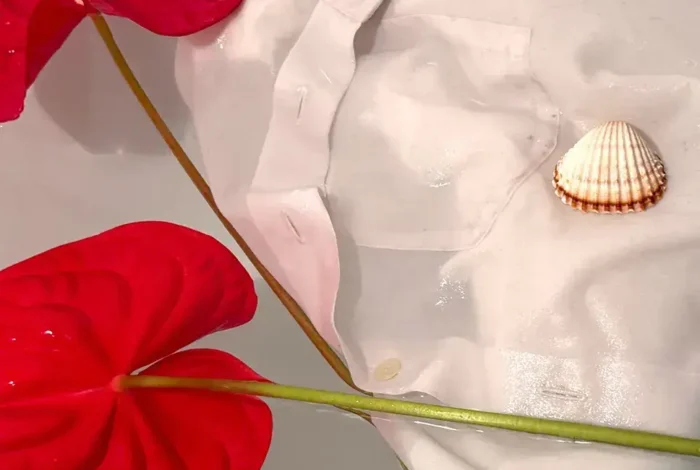
Gathering short works by Le Nemesiache, Raffaela Naldi Rossano, Jumana Emil Abboud and Katia Kameli, the Anti-Nymphs programme stages feminist rereadings of Greco‑Roman myths across the Mediterranean. The films foreground the aquatic—shorelines, currents and submerged histories—using textured, topographical explorations and lyrical montage to update mythological figures with political resonance. Sparse narration, tactile frames and layered soundscapes trace alternative geographies and collective memory, inviting a contemplative encounter with nature, gendered myth and the sea’s shifting allegories.

Wednesday 11 February, 13:00

Come explore the world of the red fox! Learn about its habitat, diet, and winter survival strategies. Discover how to identify its tracks and spot the signs it leaves behind.

In French.  Kids ages 6 – 12.

11 – 13 February

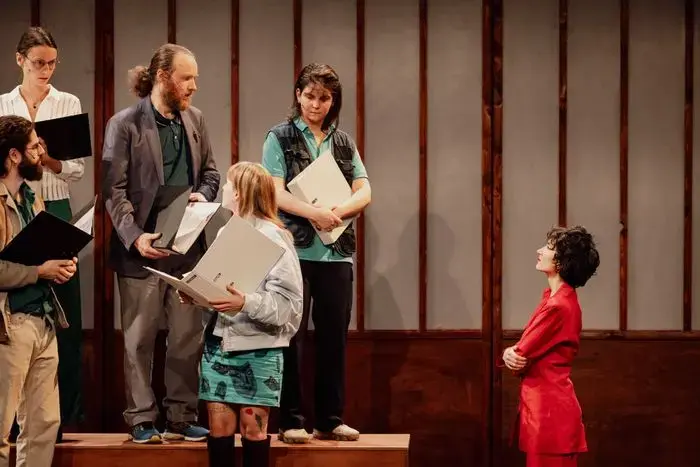
Choreographer Chiara Bersani invites the audience into the undergrowth of an imagined forest, performed in duo with dancer Elena Sgarbossa and a group of workshop participants. The piece stages bodies limited by disability to probe movement, survival and collective care. Inspired by confinement and the inequalities revealed by the pandemic, it turns the stage into an ecosystem — a vibrating floor, layered soundscape and a shared spatial attention — where small gestures, bodily memory and vulnerability become transformative forces and the basis for a newly imagined community.

11 – 22 February

Véronique Déthiollaz and Guy Schibler present a dialogue between drawing and photography that confronts mortality through laughter, desire and celebration. Déthiollaz’s graphite, occasional pastel and ink drawings deploy ironic, grotesque figuration—mocking skeletons and humbled reapers—while Schibler’s photographic series documents funerary sculpture and cemetery vistas that reveal provocative sensuality. Together the works probe how humour, eroticism and festivity resist oblivion, refusing pain through visual excess and theatricality, and interrogate cultural attitudes toward death, embodiment and memory.

11 – 22 February

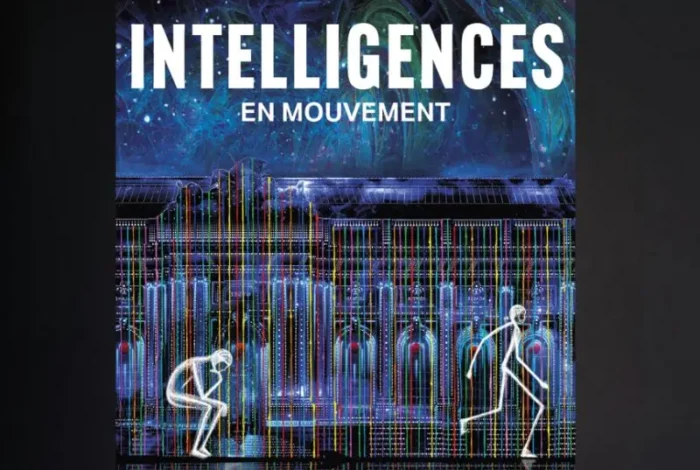
Choreographer Ugo Dehaes replaces his human troupe with extravagant robot-dancers endowed with an artificial intelligence that invents their own choreography. Intimate and unsettling, the performance invites the audience to sit around a table as the mechanised performers execute an uncanny, rhythmic ballet. Marie Peeters’ dramaturgy frames questions about labour, profit and the place of culture, while Wannes Deneer’s scenography and musical composition shape a tactile, immersive atmosphere. The piece blends humour, critique and physical precision.

11 – 13 February

Artistic direction by Cédric Pescia frames a collective traversal of György Kurtág’s landmark piano cycle Játékok, performed by students and young pianists from HEM, CMG, CPMDT, IJD and pre‑college programmes. The cycle presents Books I–X alongside the world premiere of the unpublished Book XI, a sequence of miniatures that are playful yet exacting. The repertoire explores gesture, texture and concentrated musical language, creating an intimate sonic landscape that balances delicate detail with sudden bursts of intensity. Presented for Kurtág’s centenary and CMG’s 190th anniversary.

Wednesday 11 February, 19:00

Gathering short works by Le Nemesiache, Raffaela Naldi Rossano, Jumana Emil Abboud and Katia Kameli, the Anti-Nymphs programme stages feminist rereadings of Greco‑Roman myths across the Mediterranean. The films foreground the aquatic—shorelines, currents and submerged histories—using textured, topographical explorations and lyrical montage to update mythological figures with political resonance. Sparse narration, tactile frames and layered soundscapes trace alternative geographies and collective memory, inviting a contemplative encounter with nature, gendered myth and the sea’s shifting allegories.

Wednesday 11 February, 13:00

Come explore the world of the red fox! Learn about its habitat, diet, and winter survival strategies. Discover how to identify its tracks and spot the signs it leaves behind.

In French.  Kids ages 6 – 12.

11 – 13 February

Choreographer Chiara Bersani invites the audience into the undergrowth of an imagined forest, performed in duo with dancer Elena Sgarbossa and a group of workshop participants. The piece stages bodies limited by disability to probe movement, survival and collective care. Inspired by confinement and the inequalities revealed by the pandemic, it turns the stage into an ecosystem — a vibrating floor, layered soundscape and a shared spatial attention — where small gestures, bodily memory and vulnerability become transformative forces and the basis for a newly imagined community.

11 – 22 February

Véronique Déthiollaz and Guy Schibler present a dialogue between drawing and photography that confronts mortality through laughter, desire and celebration. Déthiollaz’s graphite, occasional pastel and ink drawings deploy ironic, grotesque figuration—mocking skeletons and humbled reapers—while Schibler’s photographic series documents funerary sculpture and cemetery vistas that reveal provocative sensuality. Together the works probe how humour, eroticism and festivity resist oblivion, refusing pain through visual excess and theatricality, and interrogate cultural attitudes toward death, embodiment and memory.

11 – 22 February

Choreographer Ugo Dehaes replaces his human troupe with extravagant robot-dancers endowed with an artificial intelligence that invents their own choreography. Intimate and unsettling, the performance invites the audience to sit around a table as the mechanised performers execute an uncanny, rhythmic ballet. Marie Peeters’ dramaturgy frames questions about labour, profit and the place of culture, while Wannes Deneer’s scenography and musical composition shape a tactile, immersive atmosphere. The piece blends humour, critique and physical precision.

11 – 13 February

Artistic direction by Cédric Pescia frames a collective traversal of György Kurtág’s landmark piano cycle Játékok, performed by students and young pianists from HEM, CMG, CPMDT, IJD and pre‑college programmes. The cycle presents Books I–X alongside the world premiere of the unpublished Book XI, a sequence of miniatures that are playful yet exacting. The repertoire explores gesture, texture and concentrated musical language, creating an intimate sonic landscape that balances delicate detail with sudden bursts of intensity. Presented for Kurtág’s centenary and CMG’s 190th anniversary.

Wednesday 11 February, 19:00

Gathering short works by Le Nemesiache, Raffaela Naldi Rossano, Jumana Emil Abboud and Katia Kameli, the Anti-Nymphs programme stages feminist rereadings of Greco‑Roman myths across the Mediterranean. The films foreground the aquatic—shorelines, currents and submerged histories—using textured, topographical explorations and lyrical montage to update mythological figures with political resonance. Sparse narration, tactile frames and layered soundscapes trace alternative geographies and collective memory, inviting a contemplative encounter with nature, gendered myth and the sea’s shifting allegories.

Wednesday 11 February, 13:00

Come explore the world of the red fox! Learn about its habitat, diet, and winter survival strategies. Discover how to identify its tracks and spot the signs it leaves behind.

In French.  Kids ages 6 – 12.

11 – 13 February

Choreographer Chiara Bersani invites the audience into the undergrowth of an imagined forest, performed in duo with dancer Elena Sgarbossa and a group of workshop participants. The piece stages bodies limited by disability to probe movement, survival and collective care. Inspired by confinement and the inequalities revealed by the pandemic, it turns the stage into an ecosystem — a vibrating floor, layered soundscape and a shared spatial attention — where small gestures, bodily memory and vulnerability become transformative forces and the basis for a newly imagined community.

11 – 22 February

Véronique Déthiollaz and Guy Schibler present a dialogue between drawing and photography that confronts mortality through laughter, desire and celebration. Déthiollaz’s graphite, occasional pastel and ink drawings deploy ironic, grotesque figuration—mocking skeletons and humbled reapers—while Schibler’s photographic series documents funerary sculpture and cemetery vistas that reveal provocative sensuality. Together the works probe how humour, eroticism and festivity resist oblivion, refusing pain through visual excess and theatricality, and interrogate cultural attitudes toward death, embodiment and memory.

11 – 22 February

Choreographer Ugo Dehaes replaces his human troupe with extravagant robot-dancers endowed with an artificial intelligence that invents their own choreography. Intimate and unsettling, the performance invites the audience to sit around a table as the mechanised performers execute an uncanny, rhythmic ballet. Marie Peeters’ dramaturgy frames questions about labour, profit and the place of culture, while Wannes Deneer’s scenography and musical composition shape a tactile, immersive atmosphere. The piece blends humour, critique and physical precision.

11 – 22 February

Choreographer Ugo Dehaes replaces his human troupe with extravagant robot-dancers endowed with an artificial intelligence that invents their own choreography. Intimate and unsettling, the performance invites the audience to sit around a table as the mechanised performers execute an uncanny, rhythmic ballet. Marie Peeters’ dramaturgy frames questions about labour, profit and the place of culture, while Wannes Deneer’s scenography and musical composition shape a tactile, immersive atmosphere. The piece blends humour, critique and physical precision.

14 – 15 February

Le Cirque des Merveilles invites children and adults alike to follow Laya, a dreamy, imaginative young girl who discovers a magical world hidden inside her wardrobe. Created by Le Bazar des Merveilles, this family-friendly show brings together acrobats, jugglers, dancers, clowns, and magicians in a joyful blend of music, humor, and poetry, celebrating boundless imagination and the wonder of seeing the world through a child’s eyes.

31 January – 14 February

Painter Sandra Czich leads a series of expressive art workshops, bringing hands-on experience in contemporary painting and supportive group facilitation.

Sessions explore energetic improvisation to boost creativity, nocturnal painting with phosphorescent paints to access emotion, and a Valentine-themed practice investigating love and self-expression. Participants experiment with materials, color and rhythm to develop confidence and personal artistic voice. The workshops address composition, mark-making and playful use of light to enrich creative practice.

In French.

14 – 15 February

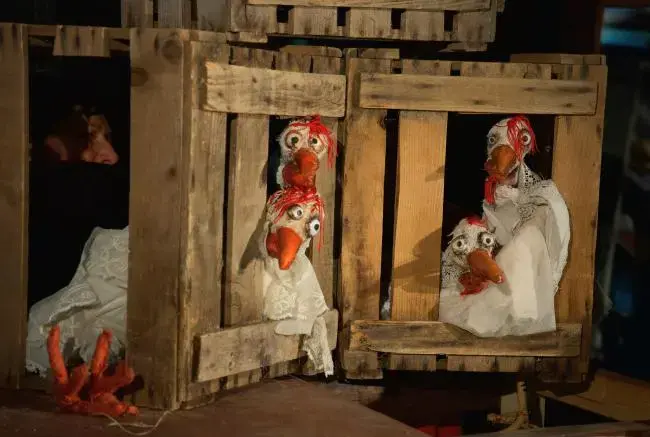
As part of the Plan-les-Ouates Cultural Season, the Singe Diesel company presents a poetic and enchanting performance. Join the journey of a hurried old man who learns to savor time through encounters along his path. Set against the backdrop of a frozen carnival, the stunning puppets and immersive soundscape whisk the audience away on a magical adventure, encouraging them to slow down and find wonder. Founded by Juan Perez Escala, the company draws from magical realism and popular culture to craft captivating shows.

In French.  Kids ages 5 and up.

Saturday 14 February, 13:00

A workshop of imagination, based on the fictional universe of Bâtir aussi — a collective work published by Cambourakis in 2018 — invites participants into the alternate history of the Haraka, a social movement that began with the Arab Spring in 2011 and spread to uprisings around the world.

Through small and large group discussions, this is a collective moment of exploration and experimentation, guided by two facilitators. The Labo Fiction / Antémonde Workshops offer a space to craft hopeful, feminist, and critical imaginaries that challenge the techno-industrial complex.

In French.

Saturday 14 February, 15:00

Performed by Sergio Valdeos (guitar) and Fulvia Torricelli (violin), this concert-presentation traces Brazil’s musical history through an intimate sequence of rhythms and forms. It follows the legacy of slavery and the cultural mixtures born of colonisation, moving from lundu and batuque to early samba and choro, and through the emergence of national radio and the samba-exaltação of the 1930s–40s. Warm strings and rhythmic pulse create a vivid, listening journey that evokes social memory and layered cultural textures.

In French.

11 – 13 February

Artistic direction by Cédric Pescia frames a collective traversal of György Kurtág’s landmark piano cycle Játékok, performed by students and young pianists from HEM, CMG, CPMDT, IJD and pre‑college programmes. The cycle presents Books I–X alongside the world premiere of the unpublished Book XI, a sequence of miniatures that are playful yet exacting. The repertoire explores gesture, texture and concentrated musical language, creating an intimate sonic landscape that balances delicate detail with sudden bursts of intensity. Presented for Kurtág’s centenary and CMG’s 190th anniversary.

Wednesday 11 February, 19:00

Gathering short works by Le Nemesiache, Raffaela Naldi Rossano, Jumana Emil Abboud and Katia Kameli, the Anti-Nymphs programme stages feminist rereadings of Greco‑Roman myths across the Mediterranean. The films foreground the aquatic—shorelines, currents and submerged histories—using textured, topographical explorations and lyrical montage to update mythological figures with political resonance. Sparse narration, tactile frames and layered soundscapes trace alternative geographies and collective memory, inviting a contemplative encounter with nature, gendered myth and the sea’s shifting allegories.

Wednesday 11 February, 13:00

Come explore the world of the red fox! Learn about its habitat, diet, and winter survival strategies. Discover how to identify its tracks and spot the signs it leaves behind.

In French.  Kids ages 6 – 12.

11 – 13 February

Choreographer Chiara Bersani invites the audience into the undergrowth of an imagined forest, performed in duo with dancer Elena Sgarbossa and a group of workshop participants. The piece stages bodies limited by disability to probe movement, survival and collective care. Inspired by confinement and the inequalities revealed by the pandemic, it turns the stage into an ecosystem — a vibrating floor, layered soundscape and a shared spatial attention — where small gestures, bodily memory and vulnerability become transformative forces and the basis for a newly imagined community.

11 – 22 February

Véronique Déthiollaz and Guy Schibler present a dialogue between drawing and photography that confronts mortality through laughter, desire and celebration. Déthiollaz’s graphite, occasional pastel and ink drawings deploy ironic, grotesque figuration—mocking skeletons and humbled reapers—while Schibler’s photographic series documents funerary sculpture and cemetery vistas that reveal provocative sensuality. Together the works probe how humour, eroticism and festivity resist oblivion, refusing pain through visual excess and theatricality, and interrogate cultural attitudes toward death, embodiment and memory.

11 – 22 February

Choreographer Ugo Dehaes replaces his human troupe with extravagant robot-dancers endowed with an artificial intelligence that invents their own choreography. Intimate and unsettling, the performance invites the audience to sit around a table as the mechanised performers execute an uncanny, rhythmic ballet. Marie Peeters’ dramaturgy frames questions about labour, profit and the place of culture, while Wannes Deneer’s scenography and musical composition shape a tactile, immersive atmosphere. The piece blends humour, critique and physical precision.

Stay in the loop!

Subscribe to Coolturalia’s weekly newsletter and get the best cultural picks delivered straight to your inbox.

CoolBytes

Celebrating Geneva’s vibrant heartbeat and the stories shaping culture today

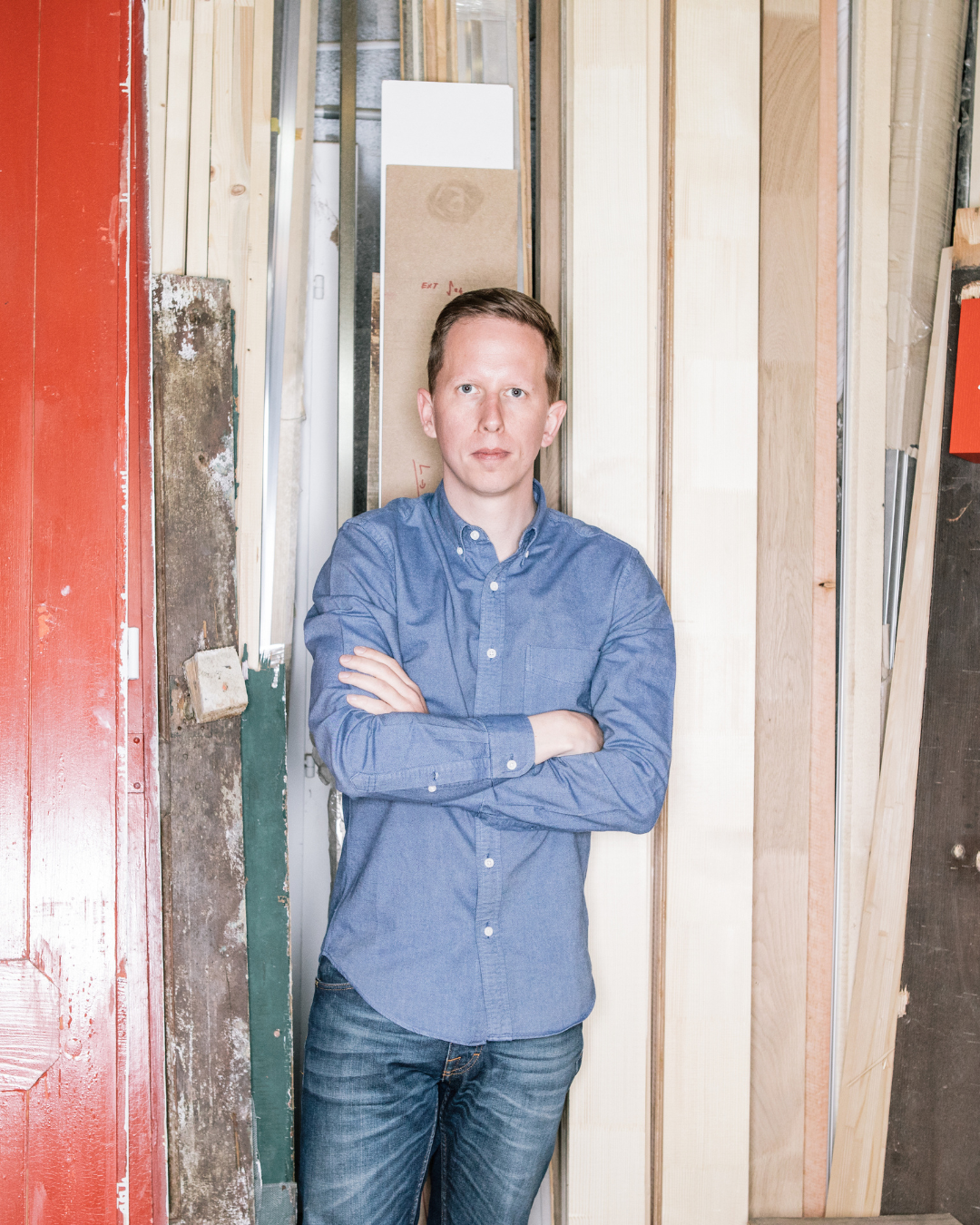
Founder of cult eco-soap company The Soap and the Sea, Lucia Rochat, shares her Geneva favorites, from her go-to chocolate to hidden local spots, and the cultural event she wouldn’t miss for anything.
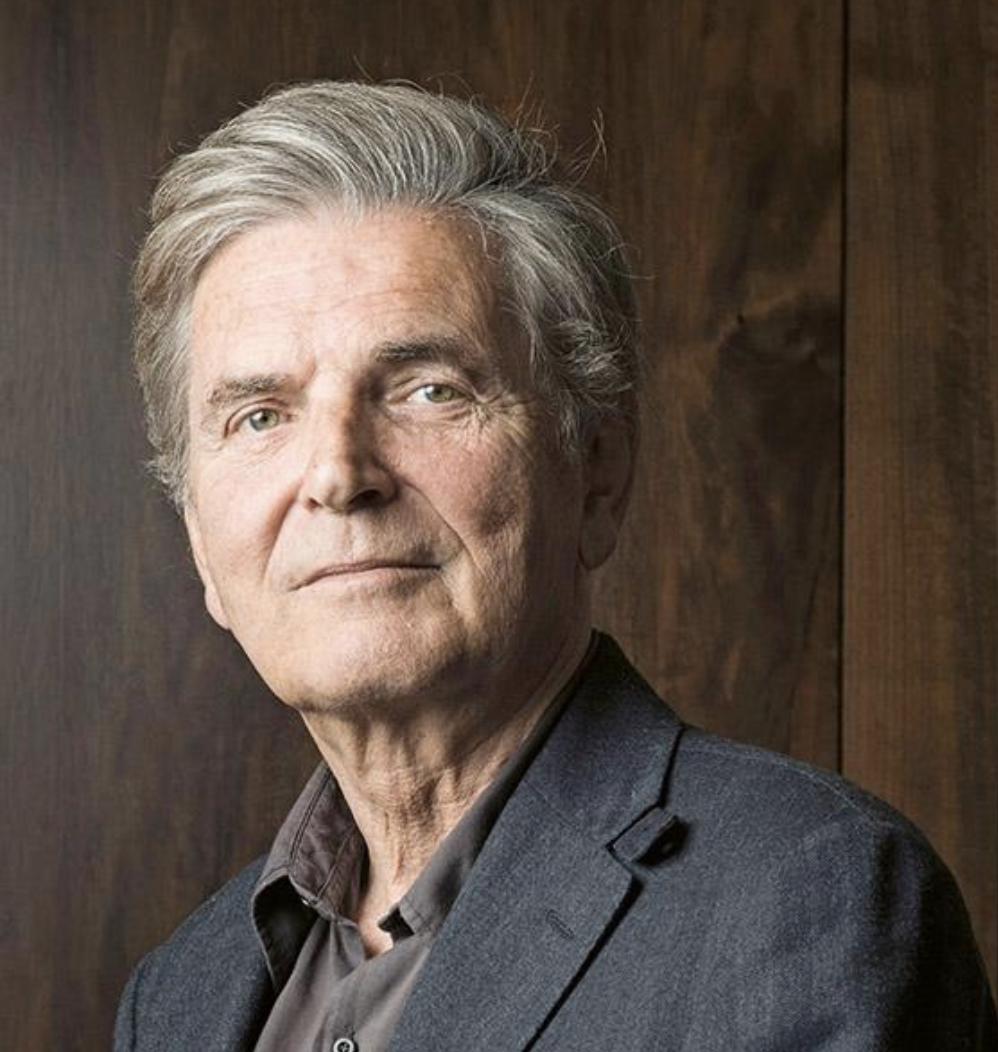
Artist and gallerist Philippe Cramer takes us on a tour of his favorite Geneva cultural gems, from cutting-edge art to beloved local hangouts.

Geneva Classics

Visiting for the first time? A quick guide to the city’s top attractions.

The MEG is a renowned museum dedicated to the exploration and presentation of cultural diversity from around the world. Located in the heart of Geneva, it houses an extensive collection of over 80,000 objects, including artifacts, textiles, and artworks that highlight the rich traditions and histories of various communities. The museum emphasizes interactive and immersive exhibitions, engaging visitors with contemporary issues related to culture and identity.

Cool fact: The e-MEG app serves as a digital twin of the permanent exhibition, providing an audio guide and detailed descriptions along with photographs of all displayed objects.

Array

– CLOSED FOR RENOVATION –

Since its opening in 1994, the MAMCO Geneva (Musée d’art moderne et contemporain)  has staged 450 exhibitions with works dating from the 1960s to the present day. Mamco’s holdings include works by Christo, Martin Kippenberger, Jenny Holzer, Dan Flavin, Sarkis, Franz Erhard Walther and Sylvie Fleury, among many others.

Cool fact: The MAMCO is the epicenter of the “Nuit des Bains”, held three times a year.  During this event, the district around the museum is transformed into a large gallery and attracts thousands of art lovers and sightseers each night.

Array

With a collection of 27,000 items from Switzerland, Europe and the Middle and Far East, and a witness to twelve centuries of ceramic art from the Middle Ages to modern times, the Ariana is one of Europe’s great museums specializing in glass and ceramics.

Cool fact: On the first Sunday of each month, the Ariana Museum opens its temporary exhibitions to the public.

Array

Add to Calendar

Select the date to be saved in your Google calendar.

calendar placeholder

Done!

Event removed from your CoolAgenda.

Yeah!

Event Saved to your CoolAgenda

Add to CoolAgenda

In your CoolAgenda

Reset password

Password was reset

Your password has been reset successfully. You can now log in with your new password.

Check your Inbox

We’ve sent you a password reset email to the address provided. Please check your inbox and/or spam folder.

Forgot your password?

Thank you!

Please check your inbox for a verification email to complete your sign-up.

Sign Up

Create your Account and Culture Up!