Friday 27 March, 18:30

Sing the Lake

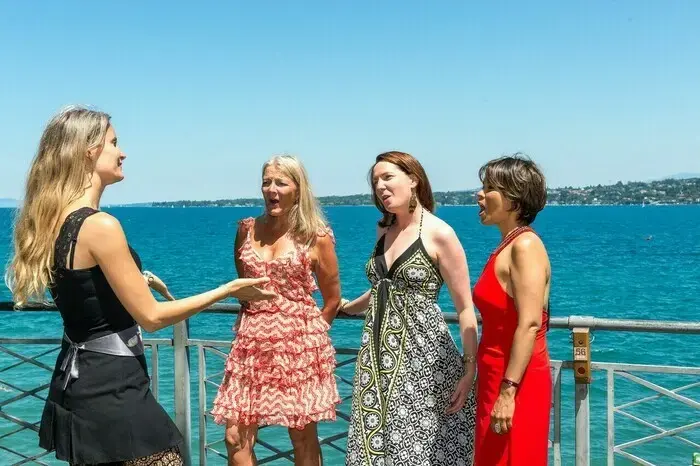
Sing and explore the melodies of Lake Geneva in a playful vocal workshop. Move gently to wake your body, warm your voice with simple exercises, then learn regional songs by ear. Take part in guided circle songs with short poem snippets and playful harmonies. You’ll listen closely, feel rhythms, and shape melodies together, using humming, call-and-response, and warm tones. The session encourages discovery, creativity, and joyful sound-making without needing sheet music.

Kids ages 6–99.
Rue des Cordiers 2,
1207 Geneva
{"title":"Sing the Lake","description":"\u003Cp\u003ESing and explore the melodies of Lake Geneva in a playful vocal workshop. Move gently to wake your body, warm your voice with simple exercises, then learn regional songs by ear. Take part in guided circle songs with short poem snippets and playful harmonies. You'll listen closely, feel rhythms, and shape melodies together, using humming, call-and-response, and warm tones. The session encourages discovery, creativity, and joyful sound-making without needing sheet music.\u003C\/p\u003E\u003Cp\u003E\u003Cstrong\u003EKids ages 6\u201399.\u003C\/strong\u003E\u003C\/p\u003E","start_date":"2026-03-27","end_date":"2026-03-27","date":"Friday 27 March, 18:30","timings":[{"timing_start_date":"20260327T183000Z","timing_end_date":"20260327T193000Z"}]}
Photo Credit: DR

You might also like

Wednesday 25 March, 14:30

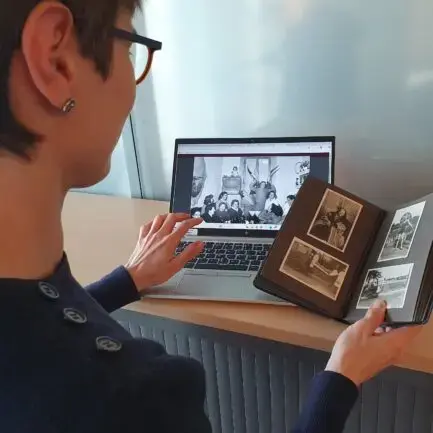
Valérie Clerc leads a hands-on workshop exploring the remarkable arrival of television in French-speaking Switzerland and its social impact. Participants will examine visual archives, discuss cultural and historical contexts of early broadcasts, and contribute by bringing family television photographs for on-site digitization and publication on notreHistoire.ch. The session reveals how domestic television shaped everyday life and collective memory through images and narratives.

In French.

Wednesday 25 March, 18:00

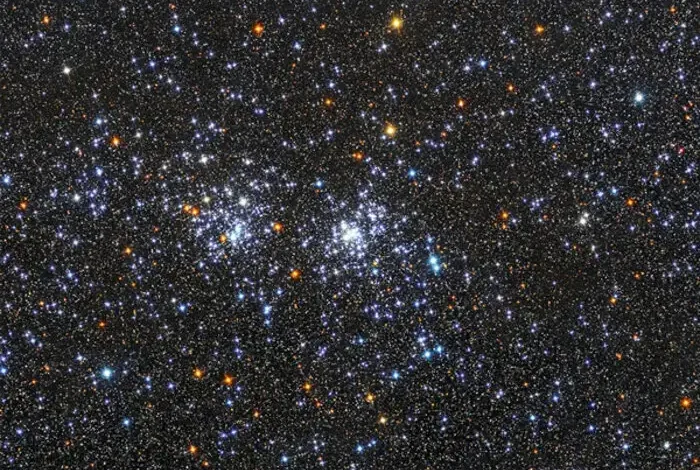
Sylvia Ekström, associate professor in the Department of Astronomy at UNIGE, studies stellar processes and their role in the cosmic chemical cycle.

The lecture examines stellar life cycles and the relentless interplay between gravity and nuclear reactions, exploring how stars forge heavy elements in their cores and return them to the interstellar medium. Ekström explains pathways by which these atoms become incorporated into planets and contribute to the conditions for life.

In French.

Wednesday 25 March, 09:00

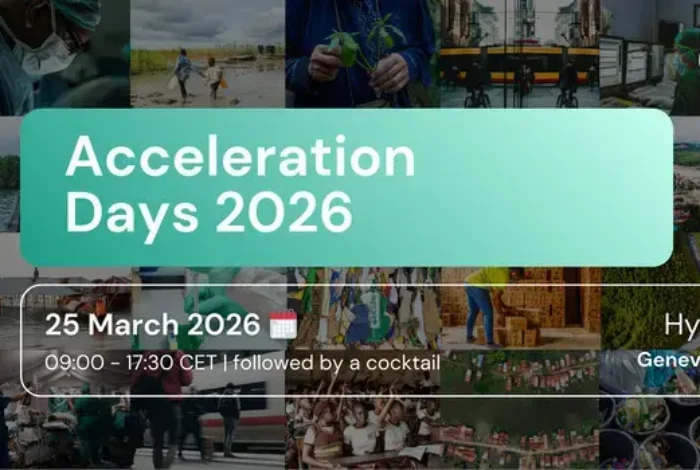
This annual convening examines how essential service providers can respond to escalating climate risks and the social costs of insufficient action. It explores adaptation strategies in high-trust sectors such as health, showcases practical examples from local and international organisations, and investigates mechanisms to strengthen delivery of commitments. Sessions address collaboration, scaling of proven approaches, resource sharing and enhancing interaction across actors to better protect vulnerable populations and maintain critical services amid climate uncertainty.

20 – 29 March

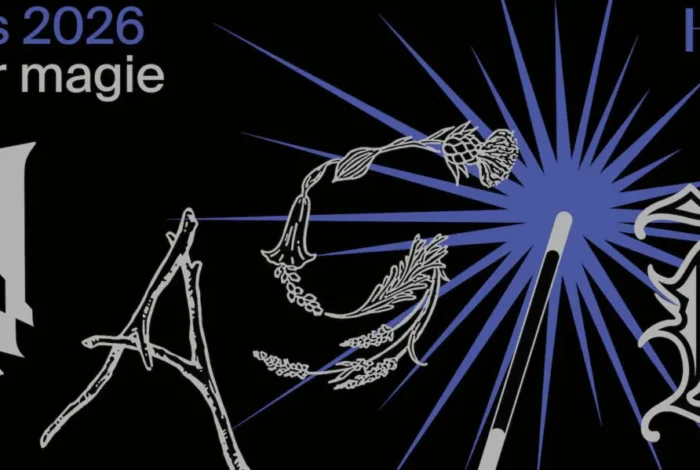
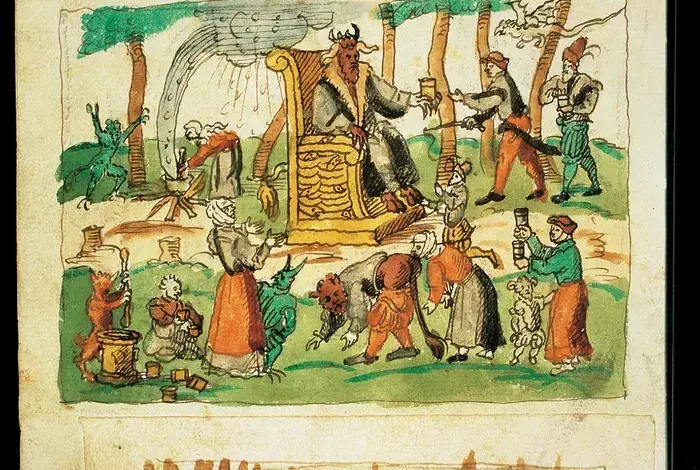
Through mystery, belief and wonder, magic has threaded through societies since ancient times. For its 11th edition, this festival explores shifting boundaries between science and the supernatural, reason and the marvelous. Lectures, screenings, guided visits and hands-on workshops invite everyone to discover the history of magical practices from past to present and to reflect on our ongoing fascination with the unknown and the afterlife.

Wednesday 25 March, 17:15

Martine Ostorero and Cyril Dépraz lead a commented listening of excerpts from the RTS podcast In the Terrible Time of the Witches (9 episodes, 2022), guiding reflections on the series’ research and narrative approach.

The session examines why witch-hunting was particularly fierce in Switzerland for over two centuries, investigating how judicial systems produced enemies, the mechanisms of accusation and persecution, and the human toll. It discusses broader themes of legal culture, collective violence and historical memory.

In French.

28 January – 23 December

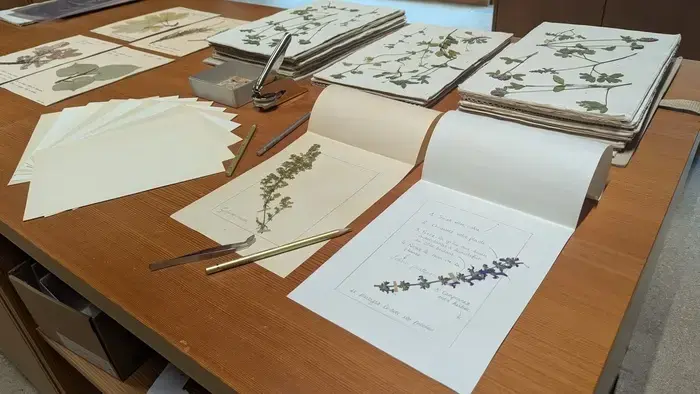
This workshop explores the traditional process of assembling a herbarium specimen, inspired by Jean-Jacques Rousseau’s collections. Participants learn scientific techniques for pressing and mounting dried plants on old paper, practice botanical labelling and nomenclature, and select specimens to create a personal herbarium sheet. The session examines preservation methods, identification principles and the historical context of Rousseau’s approach, combining practical skills with scientific insight to produce a lasting botanical object.

In French.

Oops! It seems there
are no events matching your selection!

Please adjust your criteria to see more results.

Add to Calendar

Select the date to be saved in your Google calendar.

calendar placeholder

Done!

Event removed from your CoolAgenda.

Yeah!

Event Saved to your CoolAgenda

Add to CoolAgenda

In your CoolAgenda

Reset password

Password was reset

Your password has been reset successfully. You can now log in with your new password.

Check your Inbox

We’ve sent you a password reset email to the address provided. Please check your inbox and/or spam folder.

Forgot your password?

Thank you!

Please check your inbox for a verification email to complete your sign-up.

Sign Up

Create your Account and Culture Up!