

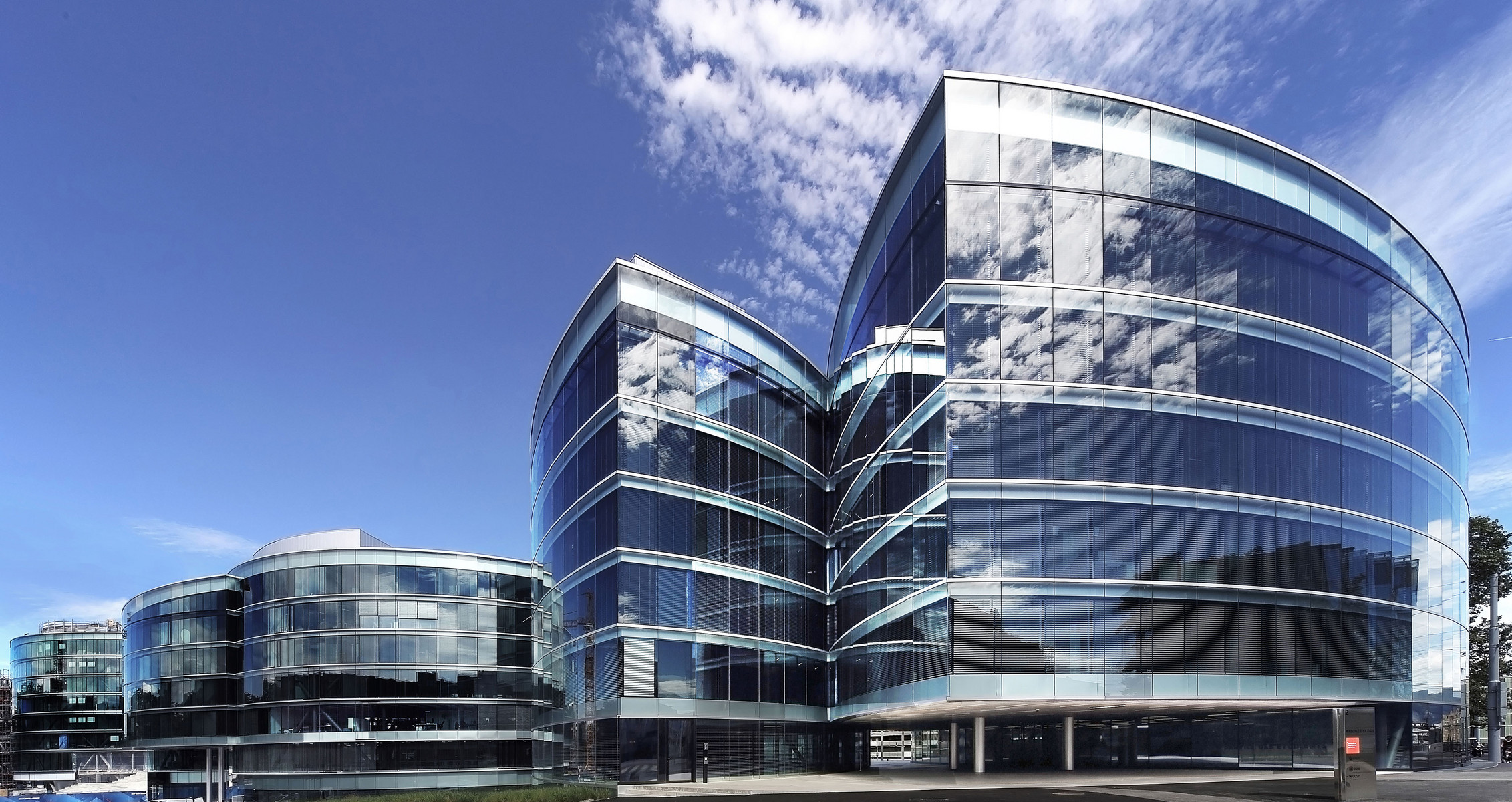
As an integral part of the Graduate Institute of International and Development Studies, the Maison de la Paix houses various lecture facilities and an auditorium. It actively fosters synergies that drive innovative solutions to promote peace, human security, and sustainable development.

An immersive circuit inviting participants to rediscover the world through the lens of neurodiversity. The presentation combines a photographic exhibition and informative panels with virtual‑reality workshops and tactile, hands‑on activities, culminating in collective reflection and sharing. The project was developed within a DEI action framework in collaboration with university and community partners, and favors experiential, sensory-driven formats to foster empathy and broaden understanding of diverse cognitive experiences.
Book launch and presentation of Season of Wolves, the final monograph by Professor Mohammad‑Mahmoud Ould Mohamedou, completed after his passing in 2024 by his PhD students, former students and family. The presentation examines the book’s historical analysis of the post‑9/11 world, its key arguments and contributions to contemporary international history. Contributors include Marie‑Laure Salles, Davide Rodogno, Bahiya and Kemal Mohamedou, along with Geneva Graduate Institute students and alumni.
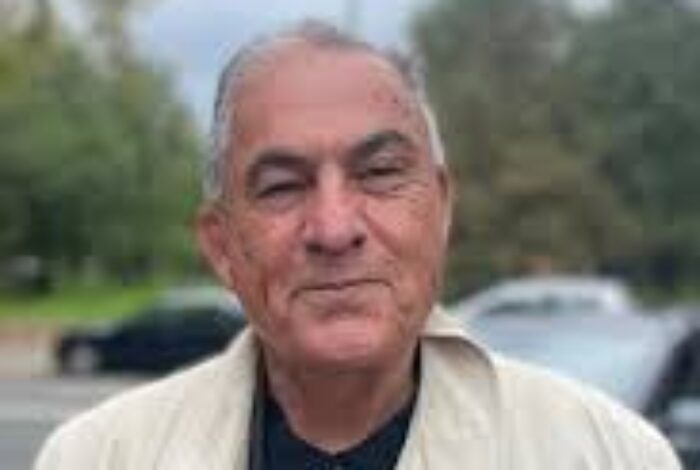
Gideon Levy, columnist and member of the editorial board of Haaretz, offers decades of reporting and commentary on Israeli society and the Israeli–Palestinian conflict. In conversation with Metin Arditi, he examines the region’s most pressing questions: the dynamics of the Israeli‑Palestinian conflict, the role of the Jewish diaspora, and prospects for peace and stability in the Middle East. The programme also includes welcome remarks and the awarding of the 2026 Press Emblem Campaign Prize.
In English.
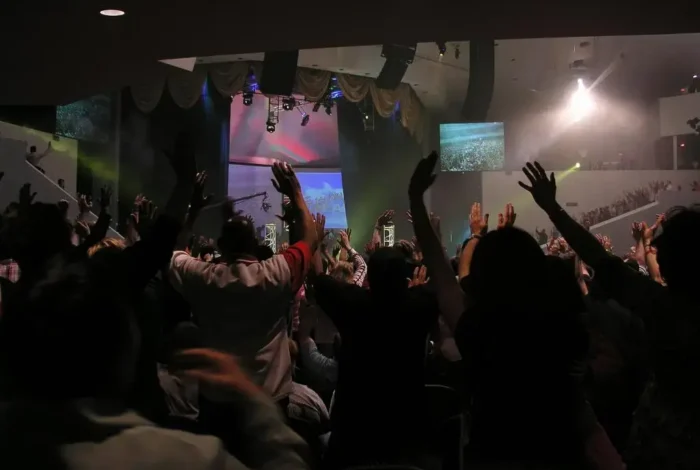
Laurent Tessier examines the history and contemporary politics of Christian Zionism as a transnational third actor in the Israeli–Palestinian conflict. Drawing on research from nineteenth-century British evangelical circles to present-day evangelical–Israeli alliances, he explores the political alliance, cultural affinity and prophetic expectation that sustain this involvement, and analyses internal tensions such as its ambiguous relation to antisemitism, the silence about Palestinian Christians and the growing convergence with the Israeli religious right.
In French.
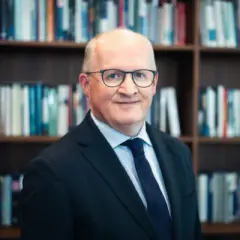
This event explores monetary policy in the Euro Area, examining the European Central Bank’s role, the challenges facing policymakers, and the key economic factors shaping interest rate decisions and price stability.
In English.

Join a relaxed community conversation inviting students, staff and faculty to reflect together on what respect means at the Graduate Institute. Guided by voices and quotes gathered during the Respect Campaign, participants will explore shared themes, tensions and everyday contradictions in classrooms, group work and daily life. This informal Brown Bag Lunch welcomes everyone to listen, share experiences, and contribute to a collective reflection. Light food and drinks will be provided.
Your password has been reset successfully. You can now log in with your new password.
We’ve sent you a password reset email to the address provided. Please check your inbox and/or spam folder.
Please check your inbox for a verification email to complete your sign-up.
Culture, curated weekly.
Event removed from your CoolAgenda.

