

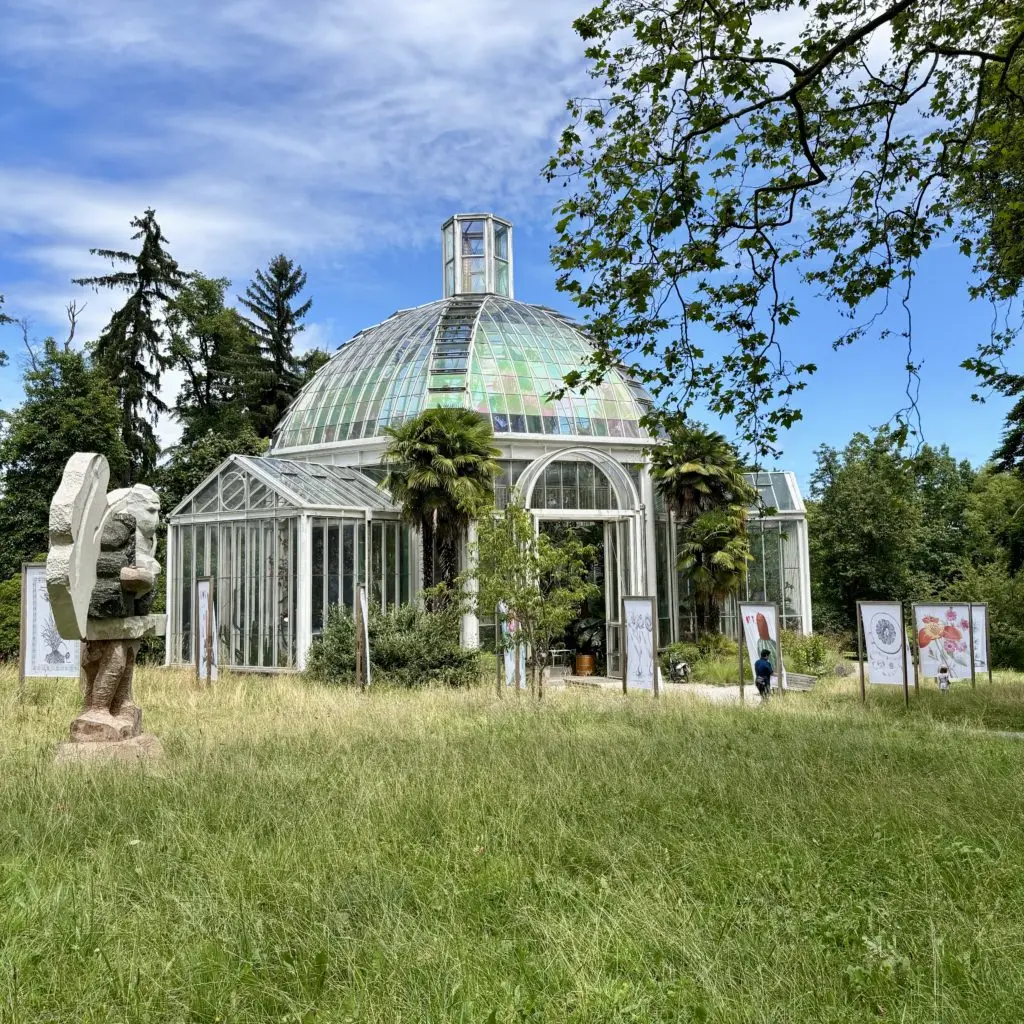
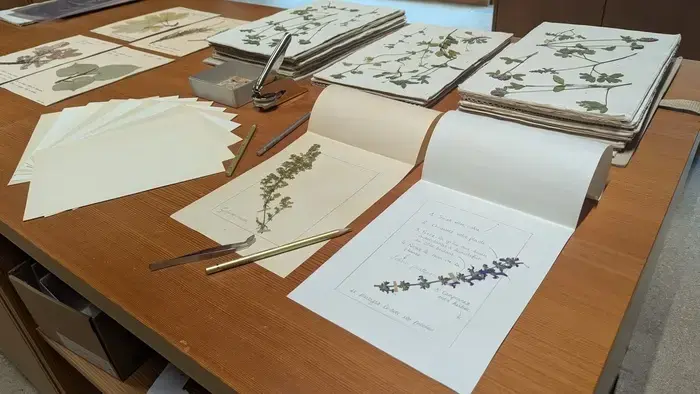
This workshop explores the traditional process of assembling a herbarium specimen, inspired by Jean-Jacques Rousseau’s collections. Participants learn scientific techniques for pressing and mounting dried plants on old paper, practice botanical labelling and nomenclature, and select specimens to create a personal herbarium sheet. The session examines preservation methods, identification principles and the historical context of Rousseau’s approach, combining practical skills with scientific insight to produce a lasting botanical object.
In French.
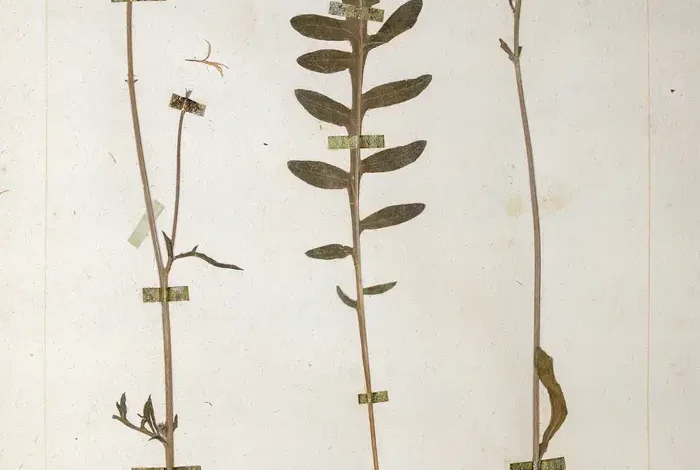
Jean-Jacques Rousseau’s herbarium, compiled in the 1770s for the printer-bookseller Charles-Joseph Panckoucke, is presented through preserved pressed specimens, its original catalogue and related botanical publications. The historical collection combines scientific observation and aesthetic arrangement, revealing Enlightenment approaches to collecting, classification and the popularisation of plant study. Detailed notes and annotations illuminate Rousseau’s techniques and the materiality of specimens, inviting reflection on how personal curiosity and scholarly networks shaped early modern natural history.
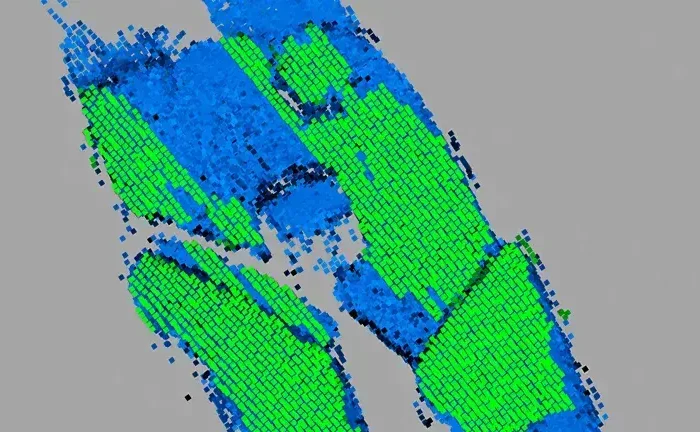
An itinerant exhibition conceived by researchers from the Haute école de travail social et de la santé Lausanne (HETSL | HES-SO) in collaboration with artist Virginie Rebetez. The project brings together six audio narratives presented as podcasts and twelve photographs to explore questions of end of life, memory, funeral rites, transmission, mourning and remembrance. Through intimate soundscapes and photographic tableaux, the work prompts reflection on our relationship to the living, biodiversity, funerary landscapes and the disappearance of non-human life.
Guided tour: Sunday 27 September, 13:30
Collective listening session of a podcast episode, followed by a discussion with Veronica Pagnamenta and Marc-Antoine Berthod (HETSL | HES-SO) : Sunday 27 September, 15:00.
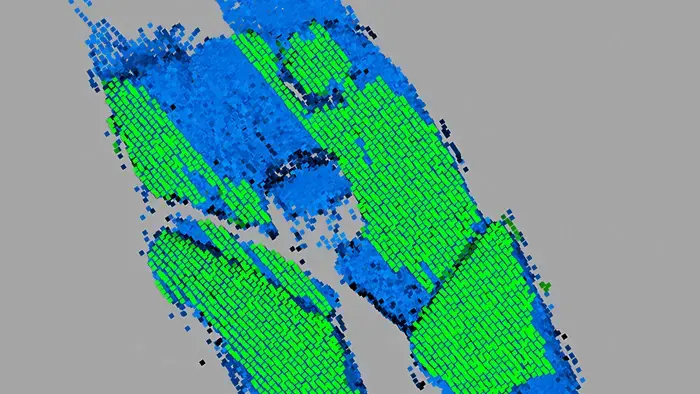
Eben Kirksey, Professor of Anthropology at the University of Oxford, is known for multispecies ethnography and research on human and nonhuman relations.
He examines how death circulates nutrients across microbial, plant, fungal and animal communities, and how modern mortuary and biomedical practices intervene in regenerative cycles. Using artworks as prompts, the talk investigates responsibility in life and death, exploring ethical, ecological and scientific tensions that reshape multispecies connections.
In English.
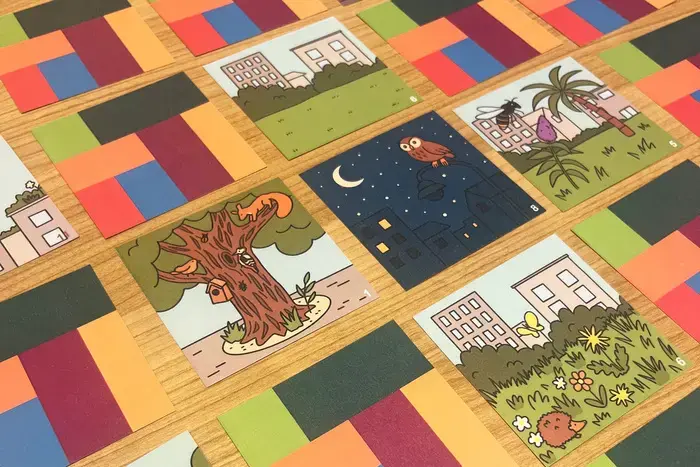
This interactive memory challenge invites participants to test their memory while exploring practical ways to preserve biodiversity based on Geneva’s municipal strategy. Players match “before-and-after” images that illustrate individual and institutional actions, and each correct pair reveals concise information explaining the measure. The activity examines themes such as habitat restoration, species-friendly practices, urban greening and policy responses, helping participants understand the impact and rationale behind everyday and organisational conservation choices.
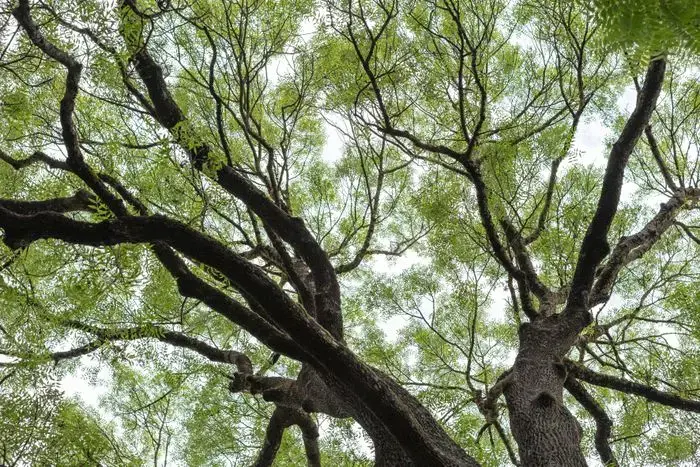
Explore an arboretum to discover strong oaks, tall firs, glossy maples, tulip trees and copalmes. Listen to leaves whisper, touch rough bark and smell the damp earth as you learn how to recognise and name different trees. Follow themed investigations and sensory games that turn botanical exploration into a playful adventure. Use sight, touch and scent to compare shapes, colours and textures while learning simple identification tips from guides and volunteers.
Kids ages 6–13.
Your password has been reset successfully. You can now log in with your new password.
We’ve sent you a password reset email to the address provided. Please check your inbox and/or spam folder.
Please check your inbox for a verification email to complete your sign-up.
Culture, curated weekly.
Event removed from your CoolAgenda.

