


Set within the elegant 19th-century Villa Bartolli in the picturesque Parc de la Perle du Lac on the lakeside, the Musée d’histoire des sciences offers a nuanced exploration of scientific evolution. The museum’s collection features scientific instruments from the cabinets of Geneva scientists spanning the 17th to the 19th century. Beyond its permanent exhibition and temporary displays, the museum actively engages the public in discussions about science through events like the biennial Nuit de la Science, scientific cafés, and conferences.
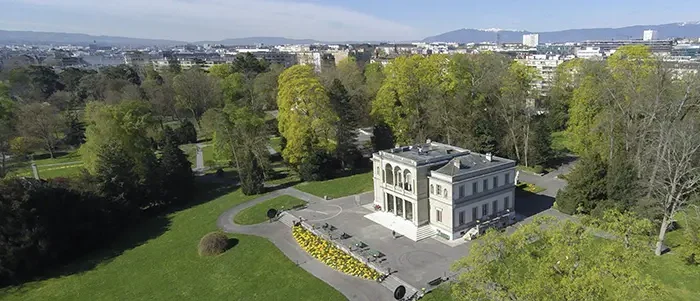
Science with a lake view. Hidden inside the elegant Villa Bartholoni, this small museum is packed with historic instruments linked to astronomy, electricity, microscopy, and meteorology. A charming detour through Geneva’s surprisingly rich scientific past — with Parc Mon-Repos right outside.

Our eyes are naturally drawn to light and what shines. Yet what could be more fascinating than shadow? Shadows have enabled many fundamental discoveries: the shape of the Earth, the calculation of its circumference, the identification of electrons, and the understanding of planetary motion. They accompany us and enrich our thinking. Come and explore them to learn more about their role in science.
Exhibition in French & in English.
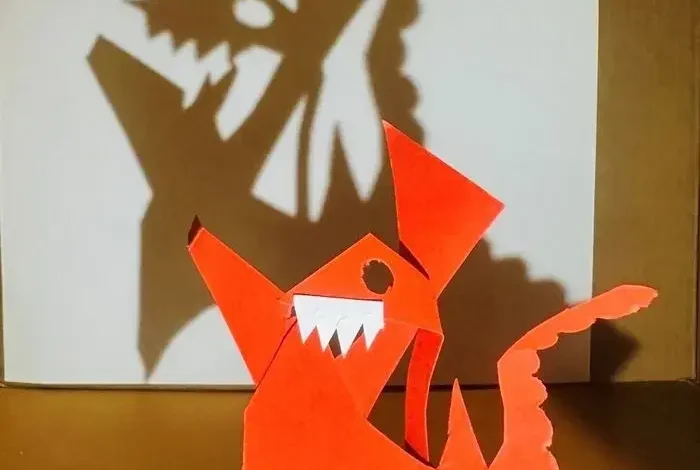
Create paper sculptures and dance them in the light to make surprising shadows. Build small models, cut shapes, and move them to watch shapes grow and change. Explore textures, light and movement while you trace and draw the shadows you catch. The workshop sparks imagination and hands-on discovery as you invent characters, animals or strange silhouettes. Expect quiet snips, bright shapes and playful shadows that shift when you move.
In French. Kids ages 6 and up.
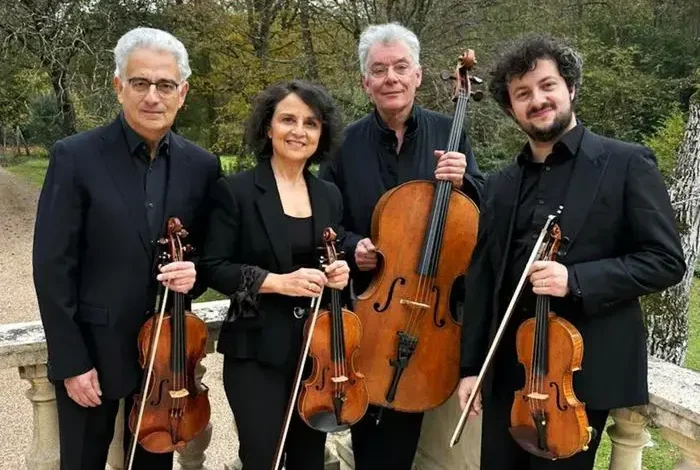
Led by the Rosamonde Quartet — Agnès Sulem-Bialobroda and Hugo Meder (violins), Jean Sulem (viola) and Xavier Gagnepain (cello) — this programme journeys through Viennese chamber music from Haydn’s witty Op. 74 No. 3 to Webern’s expressionist Langsamer Satz and Schubert’s dramatic “Death and the Maiden”. The ensemble’s refined sonority and long-standing cohesion illuminate continuities and ruptures in style, while sensitive dynamics and meticulous phrasing reveal the music’s emotional breadth and intensity.
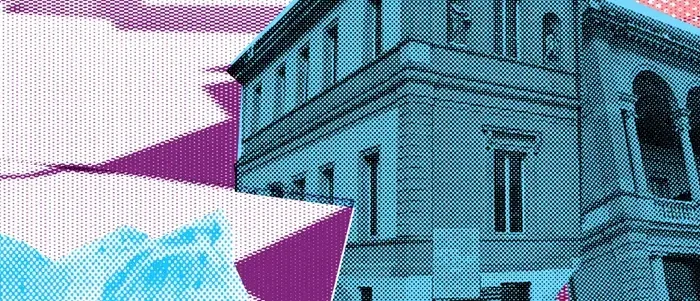
An interactive workshop exploring earthquakes and plate tectonics, examining how continents drift, collide and oceans open and close. The session investigates the physical causes of seismic events and the instruments developed to measure them, including early seismometers. Participants will gain a clearer understanding of Earth’s internal structure and the scientific methods used to reconstruct geologic history. The presentation highlights historical breakthroughs and modern monitoring techniques used by seismologists.
In French.
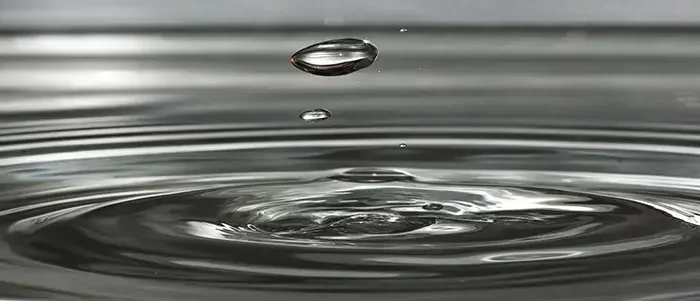
Organized by the W4W association, this bilingual symposium examines ethical perspectives on water through the lens of Albert Schweitzer’s concept of ‘reverence for life’. Researchers in ethics and theology join scientists and health professionals to investigate moral responsibilities, policy implications, and interdisciplinary approaches to water stewardship. Sessions explore conceptual frameworks, practical applications in healthcare and environmental management, and pathways for integrating ethical reflection into public and professional practice.
Your password has been reset successfully. You can now log in with your new password.
We’ve sent you a password reset email to the address provided. Please check your inbox and/or spam folder.
Please check your inbox for a verification email to complete your sign-up.
Culture, curated weekly.
Event removed from your CoolAgenda.

