Saturday 31 October, 17:00

Post-Show Talk: La Zone Nono

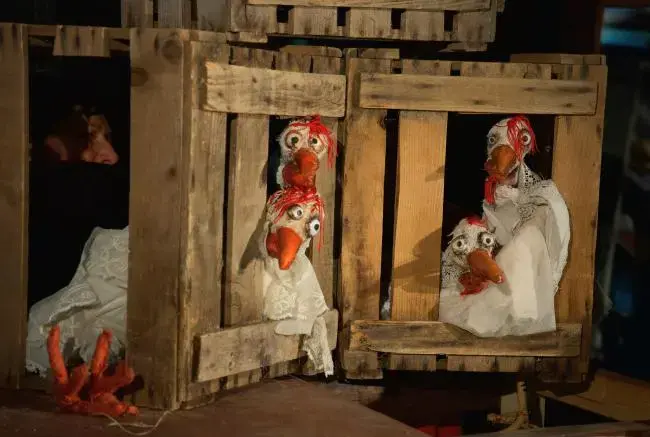
These post-show sessions offer a convivial, in-depth look at the creative process behind La Zone Nono. Led by the company’s artistic team, the discussion explores staging choices, puppetry techniques and the technical challenges specific to puppet theatre. Participants gain insight into directorial decisions and practical solutions used during rehearsals and performances, with an opportunity for questions and exchanges.

In French. Talk with the artistic team of La zone nono.
Rue Rodo 3,
1205 Genève
{"title":"Post-Show Talk: La Zone Nono","description":"These post-show sessions offer a convivial, in-depth look at the creative process behind La Zone Nono. Led by the company's artistic team, the discussion explores staging choices, puppetry techniques and the technical challenges specific to puppet theatre. Participants gain insight into directorial decisions and practical solutions used during rehearsals and performances, with an opportunity for questions and exchanges.\r\n\r\n\u003Cstrong\u003EIn French. Talk with the artistic team of La zone nono.\u003C\/strong\u003E","start_date":"2026-10-31","end_date":"2026-10-31","date":"Saturday 31 October, 17:00","timings":[{"timing_start_date":"20261031T150000Z","timing_end_date":"20261031T170000Z"}]}

You might also like

28 January – 23 December

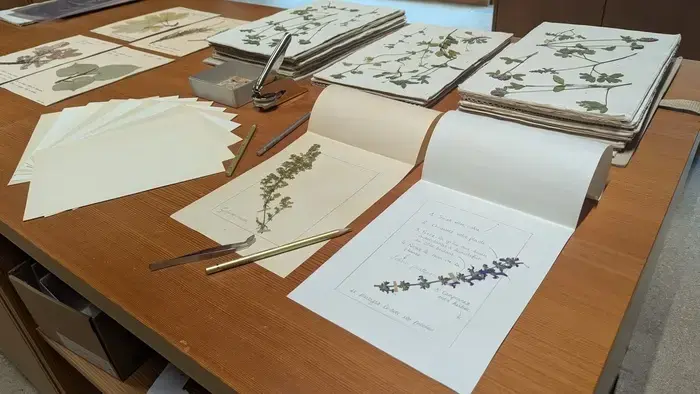
This workshop explores the traditional process of assembling a herbarium specimen, inspired by Jean-Jacques Rousseau’s collections. Participants learn scientific techniques for pressing and mounting dried plants on old paper, practice botanical labelling and nomenclature, and select specimens to create a personal herbarium sheet. The session examines preservation methods, identification principles and the historical context of Rousseau’s approach, combining practical skills with scientific insight to produce a lasting botanical object.

In French.

28 January – 23 December

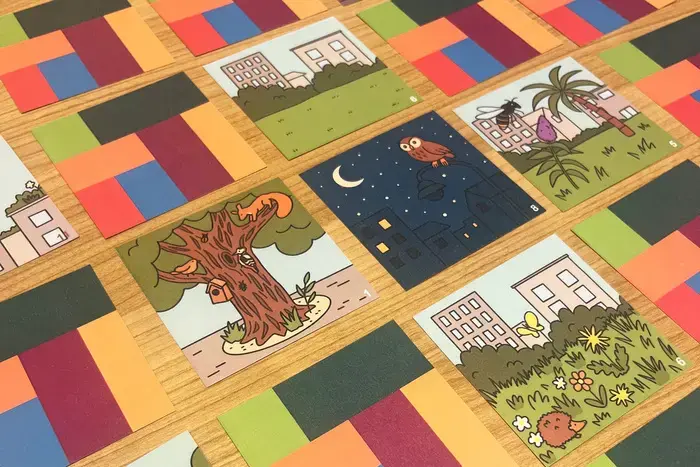
This interactive memory challenge invites participants to test their memory while exploring practical ways to preserve biodiversity based on Geneva’s municipal strategy. Players match “before-and-after” images that illustrate individual and institutional actions, and each correct pair reveals concise information explaining the measure. The activity examines themes such as habitat restoration, species-friendly practices, urban greening and policy responses, helping participants understand the impact and rationale behind everyday and organisational conservation choices.

Wednesday 24 June, 17:00

Florence Widmer Garcia, founder of Superpapier, leads a hands-on postcard workshop focused on playful paper-making and personal writing. Participants explore creative techniques for designing and composing postcards, practicing concise expressive writing and visual choices to convey affection and memory. The session examines material processes, layout and the craft of sending a considered message. Ideal for those who want guided creative practice and practical skills for meaningful, handmade correspondence.

In French.

25 June – 16 July

Over four Thursdays, instructors Thierry Avelange, Philippe Métral, Vincent Tinguley, and Nicolas Vallée from the Game Art & 3D Animation and VFX & 3D Animation departments at the SAE Institute in Geneva present various stages of 3D production. Participants receive a brief but fascinating overview of the 3D courses offered by SAE Institute Geneva.

Thursday 25 June, 18:30

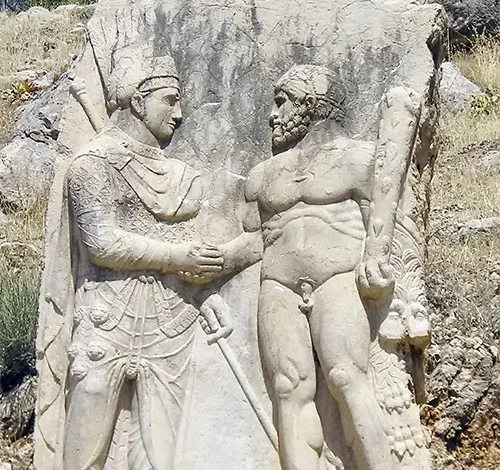
Paul André Demierre, musicologist and author of Renata Tebaldi: une artiste d’exception, presents his research on the soprano’s career and reception.

This lecture examines Tebaldi’s vocal style, repertoire choices, and the historical context of her perceived rivalry with Maria Callas, exploring critical debates, recordings, and public image to reveal how artistic differences shaped their legacies. It discusses interpretative contrasts, audience reception, and implications for opera scholarship and historiography.

In French.

Friday 26 June, 18:00

Romaric Godin, economic journalist at Mediapart and author, examines how capitalist domination leads to systemic collapse. In his book he argues that capitalism’s drive for infinite accumulation accelerates three concurrent crises: economic, ecological and anthropological. He also links this dynamic to the rise of authoritarianisms and names the phenomenon capitalisme d’état d’urgence (state-emergency capitalism). This session explores these arguments and considers their implications for politics and society, and will be moderated by economist Cédric Durand.

In French.

Oops! It seems there
are no events matching your selection!

Please adjust your criteria to see more results.

Newsletter

Culture, curated weekly.

Add to Calendar

Select the date to be saved in your Google calendar.

calendar placeholder

Done!

Event removed from your CoolAgenda.

Yeah!

Event Saved to your CoolAgenda

Add to CoolAgenda

In your CoolAgenda

Date

Title

Location

Description

calendar placeholder

Reset password

Password was reset

Your password has been reset successfully. You can now log in with your new password.

Check your Inbox

We’ve sent you a password reset email to the address provided. Please check your inbox and/or spam folder.

Forgot your password?

Thank you!

Please check your inbox for a verification email to complete your sign-up.

Sign Up

Create your Account and Culture Up!