


Nestled in the heart of Geneva’s Old Town, the Museum of Art and History ranks among Switzerland’s largest museums. Boasting a collection of around 650,000 objects spanning applied arts, fine arts, and archaeology across five floors, the museum embraces a dynamic and innovative approach to showcase its treasures through unexpected exhibitions. Annually, it hosts approximately ten temporary exhibitions, frequently inviting contemporary artists to contribute. The museum organizes a variety of surprising events, including yoga classes in the galleries and after-work parties.
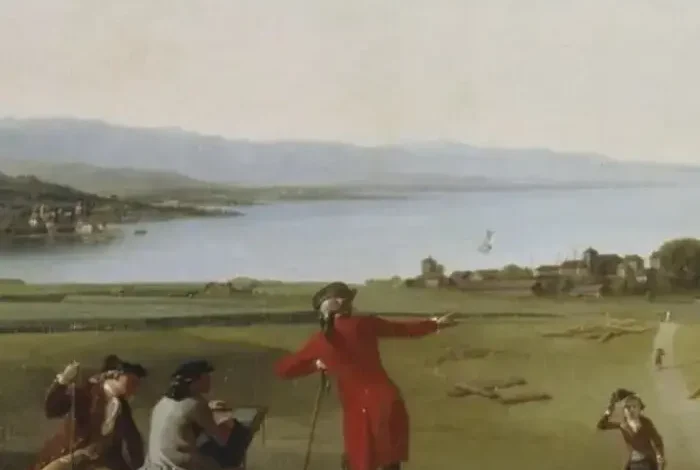
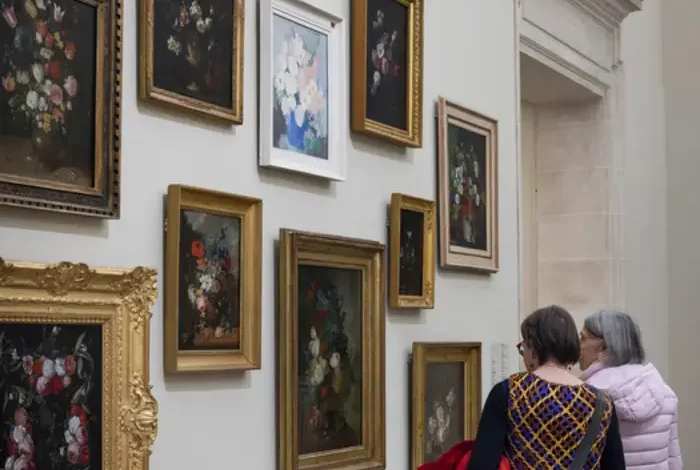
De l’Ombre aux Lumières surveys Genevan painting from 1444 to 1782, bringing together works by painters active in the city to trace shifts in style and purpose.
The exhibition focuses on painting as a medium—portraiture, devotional imagery and civic commissions—and on changing uses of light, composition and technique. It situates these works within Geneva’s evolving social and religious contexts, showing how local workshops and patrons shaped a distinct visual language that reveals broader cultural transformations.
In French.
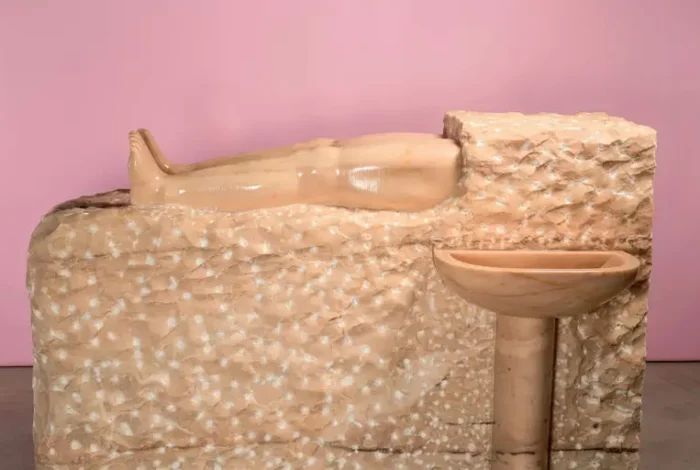
Artists Daniel Dewar and Grégory Gicquel present a large-scale installation conceived as a traversable architecture that reconfigures the museum courtyard into a mutable living environment. Seven works dialog with sculpture, and two pieces were created specifically to engage the lapidary collection and the Pierre-aux-Dames megalith. Using carved stone surfaces, constructed siphons and modular plaster and resin elements, the project explores material metamorphosis, bodily presence and the shifting relations between monumentality and domestic scale.
Opening: Thursday 16 July, 18:30
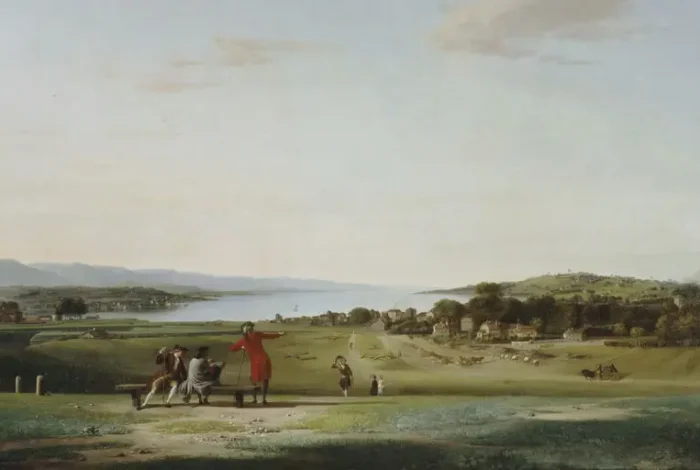
This evolving exhibition explores Geneva painting from public collections, bringing together 82 works created between 1444 and 1782. Unfolding in three acts, the exhibition evolves alongside the museum’s ongoing research and restoration work.
Act I: Before 1535, Surviving the Storm – 26 September 2026 – 21 March 2027
Rare works that survived the Protestant iconoclasm of 1535, including Konrad Witz’s 1444 panels.
Act II: 1536–1685, The Secular Turn – 23 March – 19 September 2027
Following the Reformation, Geneva’s artistic landscape was transformed, with artists increasingly turning to secular subjects for both private and public settings.
Act III: 1685–1782, A Spectacular Flourishing – 25 September 2027 – March 2028
The Age of Enlightenment saw painting flourish in Geneva, with portraits and landscapes by artists including Robert Gardelle, Barthélemy Guillibaud and Jean-Étienne Liotard.
An ever-evolving journey through nearly three centuries of painting in Geneva, revealing its history, artistic techniques and the fascinating work behind its conservation.
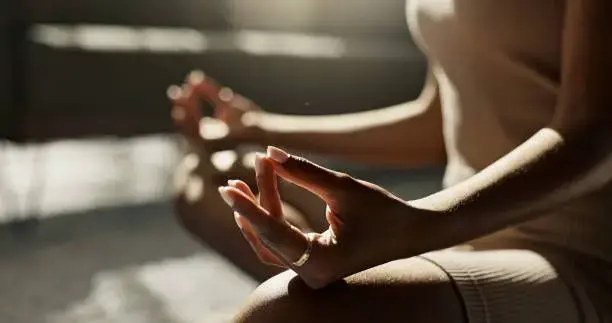
Sandrine Huber, yoga teacher, leads sessions combining gentle movement and breathwork. Introduced by a cultural mediator, Huber brings practical experience in restorative practices and mindful sequencing suitable for varied participants.
This session explores accessible yoga techniques to slow down, release tension, and foster present-moment awareness. It examines breathing, gentle asanas, and mindful transitions, encouraging self-care and sensory attunement. Participants will learn practices to integrate calm and embodiment into daily life.
In French.
John M Armleder presents an interchange-based exhibition that foregrounds objects drawn from students’ suitcases. Through object-based works and subtle interventions, the show probes modes of observation, intimacy and collective memory. Personal belongings are rearranged as visual prompts that evoke histories, pedagogy and everyday cinematics. The artist’s restrained interventions invite reflection on how small domestic items circulate meanings and facilitate encounters, revealing how private narratives surface within a communal field of attention.
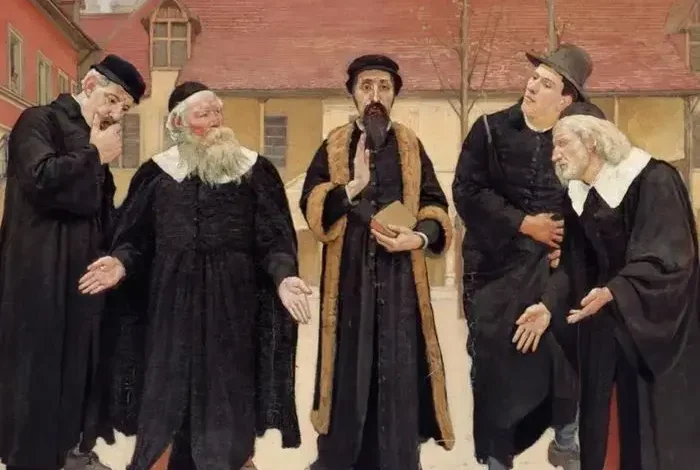
Journalist Céline Argento hosts a discussion with Michel Layaz, Mélanie Richoz and Katya Berger Andreadakis. Layaz presents Un imprévu; Richoz discusses Marzili; Andreadakis introduces her translation of Anya Berger’s 1974 feminist text.
The session examines contemporary Swiss francophone literature, exploring tone, translation and the relationship between art and humanity. It reveals editorial choices and thematic continuities across the featured works, and the programme also highlights the museum’s bookstore picks and forthcoming cultural offerings, situating literature within broader artistic practice.
In French.
Your password has been reset successfully. You can now log in with your new password.
We’ve sent you a password reset email to the address provided. Please check your inbox and/or spam folder.
Please check your inbox for a verification email to complete your sign-up.
Culture, curated weekly.
Event removed from your CoolAgenda.

