


Set within the elegant 19th-century Villa Bartolli in the picturesque Parc de la Perle du Lac on the lakeside, the Musée d’histoire des sciences offers a nuanced exploration of scientific evolution. The museum’s collection features scientific instruments from the cabinets of Geneva scientists spanning the 17th to the 19th century. Beyond its permanent exhibition and temporary displays, the museum actively engages the public in discussions about science through events like the biennial Nuit de la Science, scientific cafés, and conferences.
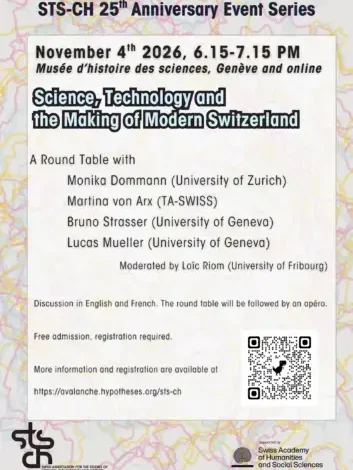
This roundtable examines how science and technology helped shape modern Switzerland’s political and technical development, while also defining its role in international relations and the global economy. It traces the importance of scientific and industrial projects from the nineteenth century onward, including the building of the federal state, the rise of industrial research, and the strengthening of Switzerland’s international standing through institutions such as CERN. The discussion also highlights how these developments informed scholarship in science and technology studies and the history of science.
Discussion in English and French.
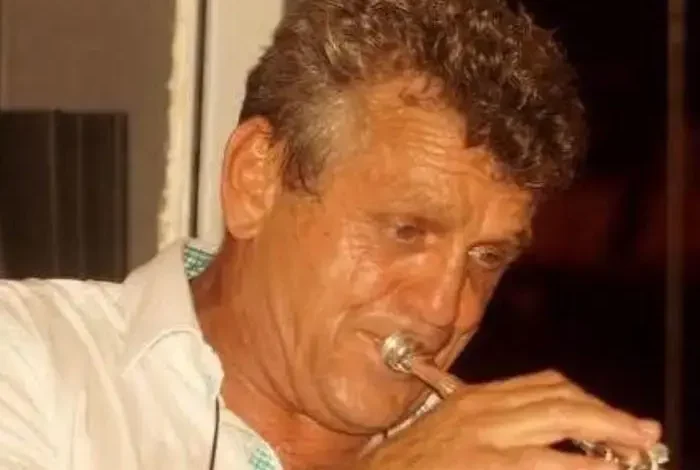
Alain Della Maestra returns to the stage with his trio — trumpet (Alain Della Maestra), piano (Enrico Perelli) and drums (Luigi Lamarca) — for an evening of mellow jazz, bossa nova and Brazilian‑infused improvisation. Drawing on over fifty years of performing and a decade based in North America, he blends intimate swing, acoustic elegance and Latin colours. Expect warm, nuanced phrasing, close interplay and moments of spontaneous dialogue as the trio navigates standards, bossa‑novas and original improvisations with a lyrical touch.
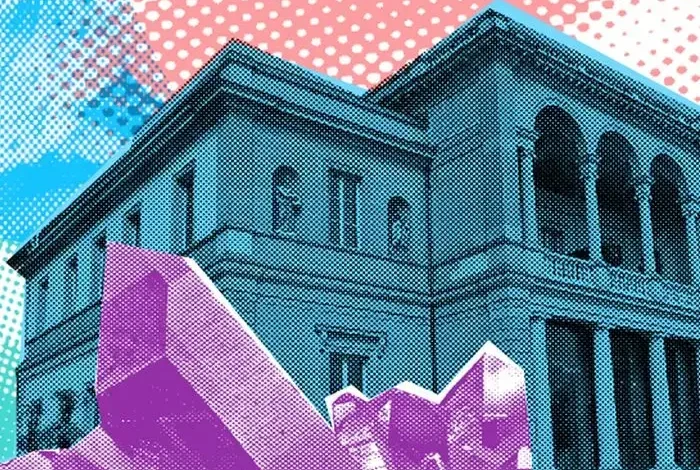
Step into the sparkling world of rubies, amethysts, garnets, copper, and more. Learn how these minerals shaped human history, from ancient travels to the birth of crystallography. Look closely at their geometric forms, vivid colors, and hidden textures, and discover why they still inspire wonder today. A world of shiny clues, science, and natural beauty is waiting.
Kids ages 7 and up.
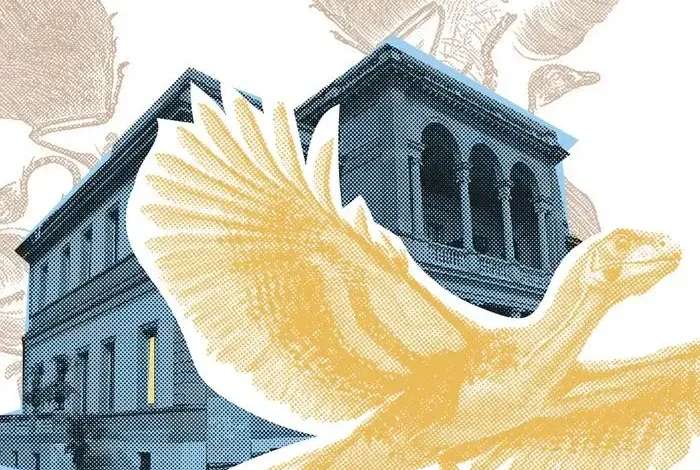
Discover the famous fossil Archaeopteryx and the clues it left behind. With feathers, teeth, and a story millions of years old, this extraordinary creature helps show how dinosaurs slowly changed into birds. Follow the evidence from fossil to flight, and picture the world of ancient reptiles and early wings.
In French. Kids ages 7 and up.
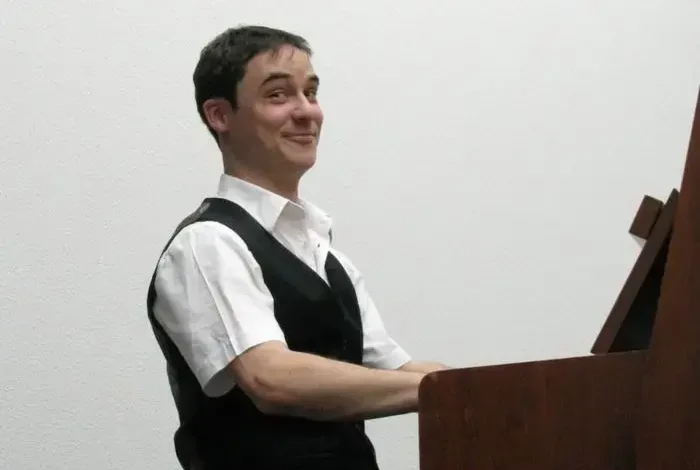
Led by pianist Olivier Grimm, this convivial singalong revives French chanson from the 1950s to the 1970s. Guests gather over coffee and croissants to voice well‑known melodies while Grimm’s piano provides warm, intimate accompaniment. A simple staging projects lyrics to invite participation, shifting between tender nostalgia and lively swing. The programme favours communal singing and memory, creating a cosy, theatrical café atmosphere that celebrates shared repertoire and gentle conviviality.
In French.
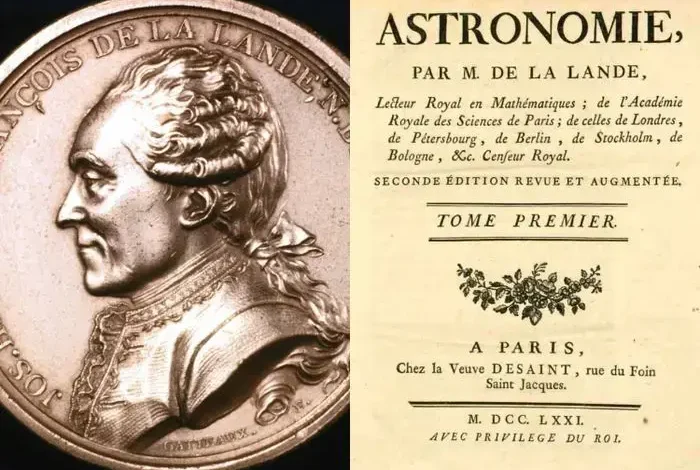
Philippe Lebrun, trained at the École des Mines and Caltech, worked on major accelerator projects at CERN and led international scientific collaborations. His long interest in the history and philosophy of science informs this lecture.
The session examines Jérôme Lalande’s scientific achievements and intellectual influence across the Enlightenment, from astronomy and navigation to popular science and the metric system. It also places his work in broader debates of the period, highlighting original documents and the legacy of a scholar whose impact reached far beyond astronomy.
Your password has been reset successfully. You can now log in with your new password.
We’ve sent you a password reset email to the address provided. Please check your inbox and/or spam folder.
Please check your inbox for a verification email to complete your sign-up.
Culture, curated weekly.
Event removed from your CoolAgenda.

