

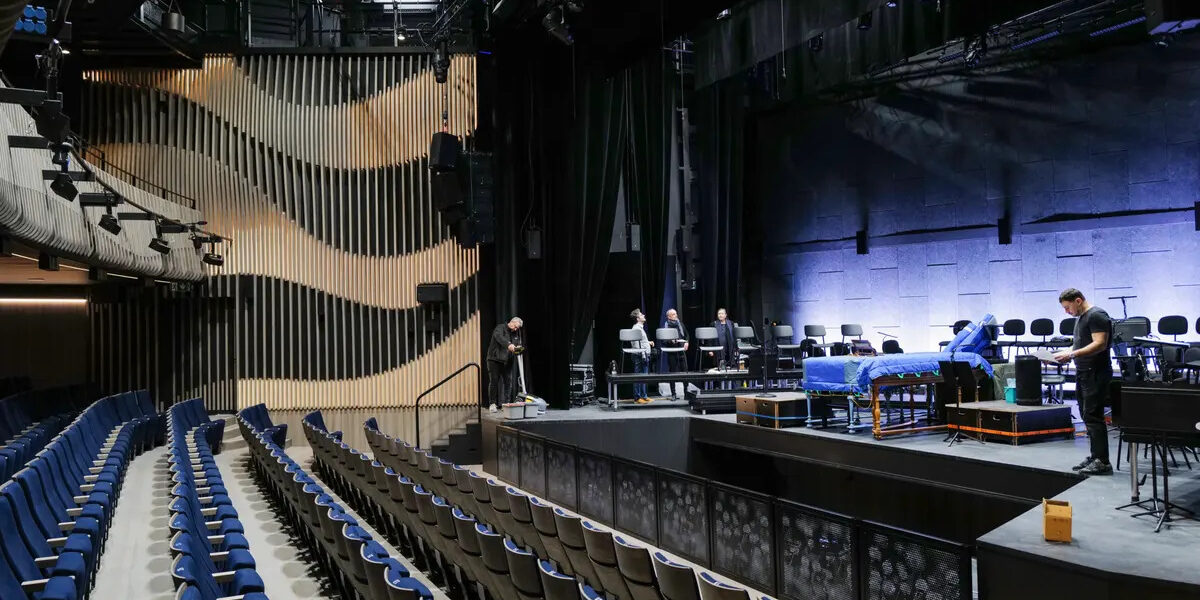
Formerly known as the Salle Patiño, La Cité Bleue is a concert hall located in an octagonal 1960s building within the Cité Universitaire in Champel. Recently renovated, it features high-tech acoustics and has a seating capacity of 300. The venue aims to promote performances that bring together leading artists from music, theater, dance, visual arts, and circus arts.
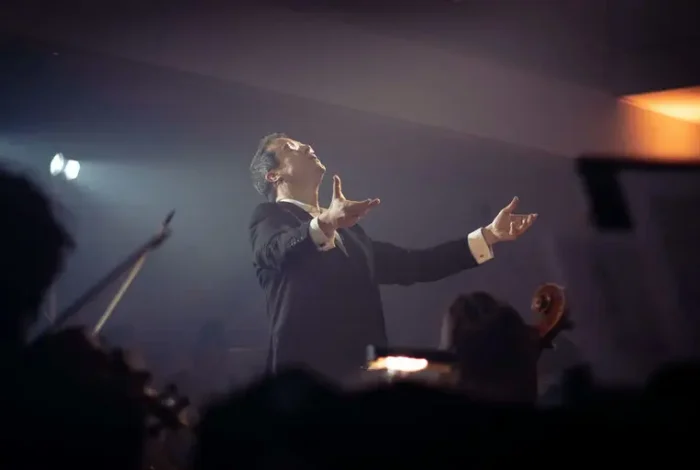
Under the direction of Leonardo García‑Alarcón, Roma is a large-scale oratorio that revisits the foundational gesture of García‑Alarcón and Cappella Mediterranea. The programme journeys through Roman polyphony, alternating masterpieces and rarities by Luigi Rossi, Alessandro Scarlatti, Gregorio Allegri and Giovanni Giorgi. The Constellation sound design transforms the performance space to unfold Allegri’s Miserere in intense chiaroscuro. Solo voices and the Namur Chamber Choir converse with Cappella Mediterranea, creating a luminous, immersive baroque experience.
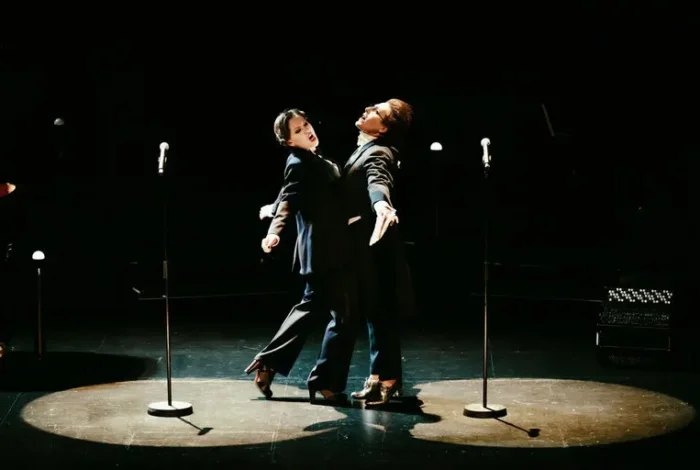
Musiques Interdites recreates the charged atmosphere of a Weimar-era cabaret where humour, poetry and music become acts of resistance. Hosted by Lucile Richardot and Éléonore Pancrazi, the evening revives works banned under Nazi rule—jazz, pieces by Jewish and politically persecuted composers—and blends songs, instrumental numbers and recomposed arrangements. The production foregrounds the subversive power of art, evoking both the creative freedom pursued by artists and the fear and repression that sought to silence them.
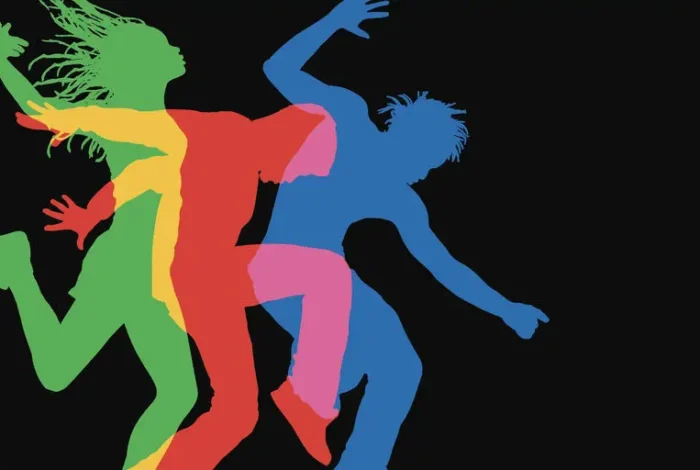
Philippe Béziat’s documentary follows the creation of a new production of Jean‑Philippe Rameau’s opéra‑ballet, revealing rehearsals, encounters and the artists’ work. Blending baroque music with urban culture, the film brings together Cappella Mediterranea, conductor Leonardo García‑Alarcón, director Clément Cogitore and choreographer Bintou Dembélé with krump, breakdance, popping and voguing dancers. Observational and intimate, it examines intercultural encounter, the collective energy on stage and the social resonances of an inclusive artistic project. (2020, France; César nominee; festival selections.)
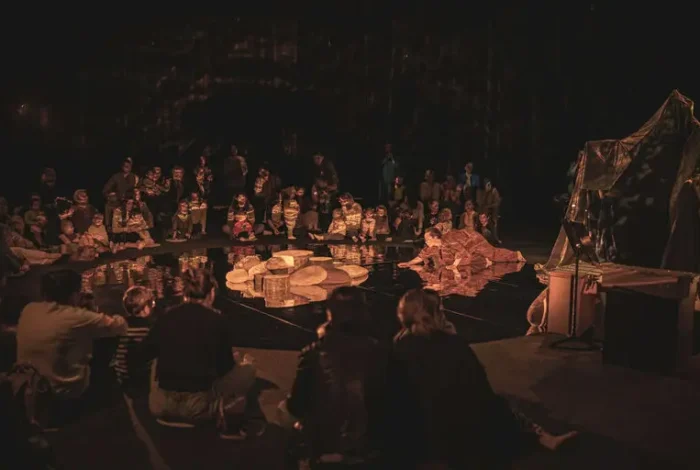
Invite the youngest listeners into a gentle baroque soundscape designed for babies and toddlers. Four voices from a chamber choir sing short baroque pieces accompanied by metallophones and small resonant instruments, while a forest-like set evokes soft, mysterious creatures. Families sit together around the musicians for an intimate, close experience. After the performance, children can explore textures and sounds up close with the artists in a calm, sensory play session.
In French. Kids ages 0–6.
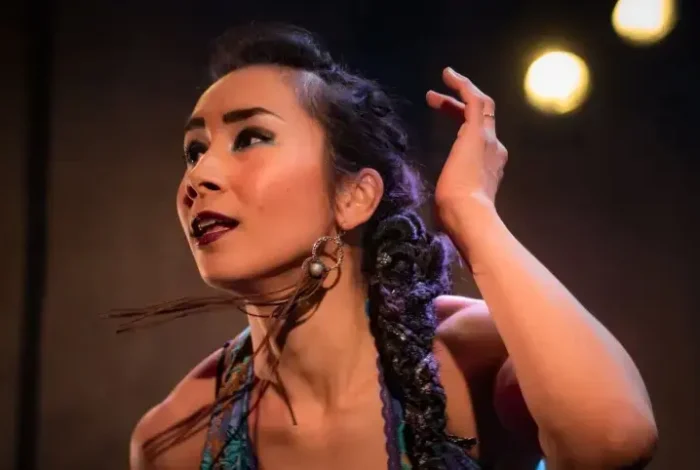
Explore emotions through movement in this playful family workshop. Guided by dancer-choreographer Anasma Vuong, parents and children will use simple, imaginative dance games to name feelings, respond to each other’s gestures and invent short movement sequences together. Through listening and creative exercises based on the wheel of emotions, the session gives parents practical tools to support their child’s emotional development while families connect, play and move side by side. No dance experience required.
In French. Kids of all ages.
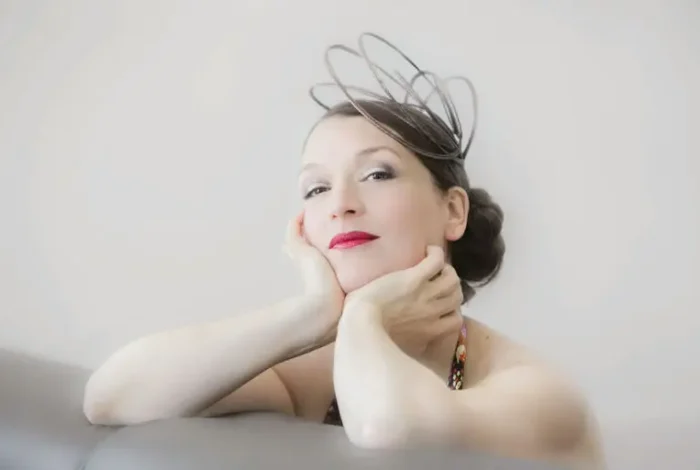
Two incandescent works meet in a programme of ardent passion and doomed desire. Janáček’s Zápisník zmizelého (The Diary of One Who Disappeared), here in Laurent Cuniot’s arrangement, stages the feverish confession of a young peasant enthralled by a gypsy; Manuel de Falla’s El amor brujo (1915 version) conjures Andalusian rites, flamenco rhythms and orchestral heat. Isabelle Druet and tenor Petr Nekoranec lead the vocal drama, with the Orchestre de Chambre de Genève in a co-production marking de Falla’s 150th anniversary.
Your password has been reset successfully. You can now log in with your new password.
We’ve sent you a password reset email to the address provided. Please check your inbox and/or spam folder.
Please check your inbox for a verification email to complete your sign-up.
Culture, curated weekly.
Event removed from your CoolAgenda.

