Thursday 3 December, 18:00

Quartz Time: Watchmaking’s Response to Technological Change

Free, Booking Required

Amandine Cabrio, archivist, historian and Wikimedian, is a doctoral candidate at the University of Neuchâtel with expertise in horological archives and digital heritage.

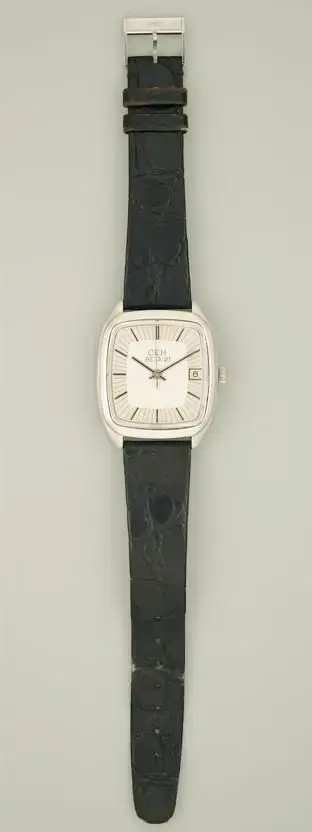
This presentation examines the Beta 21, one of the first quartz calibres developed through Swiss industry collaboration in the 1960s and launched in the early 1970s. It explores technological and commercial shifts, investigates how the quartz revolution reframed manufacturing standards, and discusses the legacy of early electronic movements for contemporary watchmaking.

In French.
Rue Charles-GALLAND 2,
1206 Genève
Photo Credit: DR
{"title":"Quartz Time: Watchmaking’s Response to Technological Change","description":"\u003Cp\u003EAmandine Cabrio, archivist, historian and Wikimedian, is a doctoral candidate at the University of Neuch\u00e2tel with expertise in horological archives and digital heritage.\u003C\/p\u003E\u003Cp\u003EThis presentation examines the Beta 21, one of the first quartz calibres developed through Swiss industry collaboration in the 1960s and launched in the early 1970s. It explores technological and commercial shifts, investigates how the quartz revolution reframed manufacturing standards, and discusses the legacy of early electronic movements for contemporary watchmaking.\u003C\/p\u003E\u003Cp\u003E\u003Cstrong\u003EIn French.\u003C\/strong\u003E\u003C\/p\u003E","start_date":"2026-12-03","end_date":"2026-12-03","date":"Thursday 3 December, 18:00","timings":[{"timing_start_date":"20261203T170000Z","timing_end_date":"20261203T180000Z"}]}
Photo Credit: DR

You might also like

22 September – 15 December

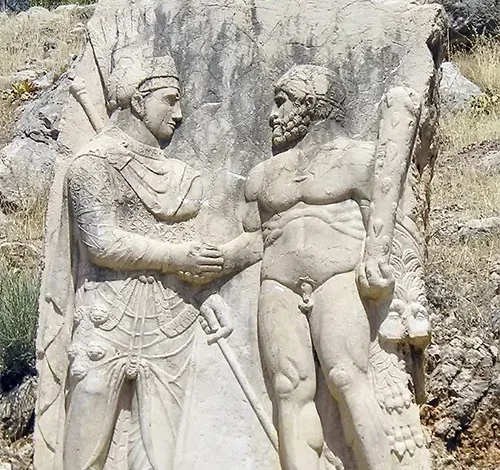
The Department of Ancient Studies at the Faculty of Humanities (UNIGE) is offering a series of public lectures dedicated to interactions, exchanges, and cultural dynamics in the ancient world. Faculty members and researchers will explore diplomatic relations, the movement of objects, religious and linguistic influences, and issues of identity at the crossroads of the Mediterranean and the ancient Near East.

In French.

Wednesday 11 November, 10:15

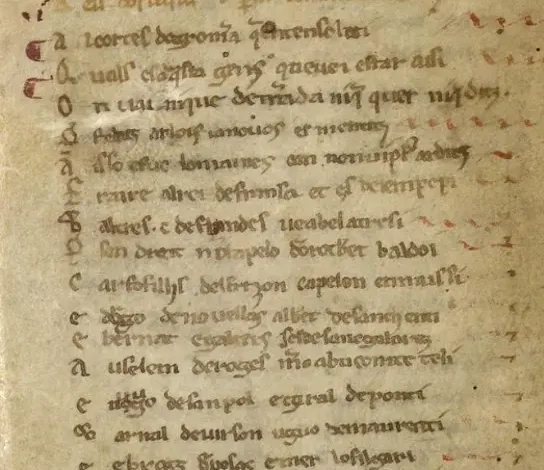
Federico Novello, a postdoctoral researcher at the Heidelberg Academy of Sciences, leads this lecture within the seminar Occitan médiéval: introduction à la langue et à la littérature, directed by Professor Caterina Menichetti. The session explores how the First Crusade was recounted in Occitan, highlighting the literary and historical uses of language in medieval narrative traditions. It offers a focused look at the transmission of crusading memory through poetic and prose forms, as well as the cultural context that shaped these texts.

In French.

29 October – 11 November

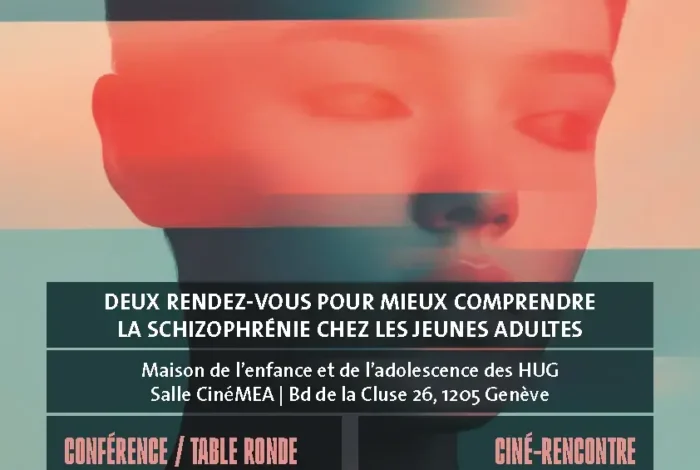
Dr Anne Edan, psychiatrist, together with psychologist Sarah del Goleto and Dr Matthias Kirschner, present a public series exploring psychosis and schizophrenia. Combining scientific knowledge, clinical experience and artistic approaches, the events examine early detection, intervention strategies and ways to reduce stigma. Speakers discuss diagnostic challenges, therapeutic options and lived experience to foster better understanding and change public attitudes.

In French.

Wednesday 11 November, 18:30

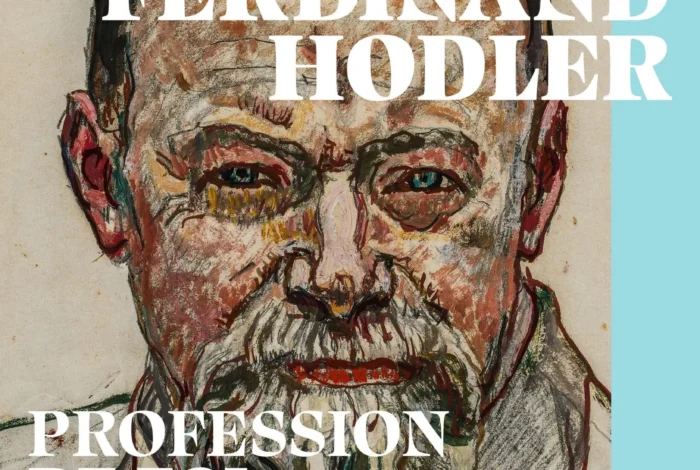
Caroline Guignard, deputy curator for graphic arts and precious books at the Musée d’art et d’histoire de Genève, and a specialist in Hodler’s graphic work, presents the artist through his 241 notebooks of notes and sketches. Conserved at the MAH, these intimate documents shed light on Hodler’s daily sources of inspiration, his life, and his thought. The lecture also examines his relationship to religion and spirituality, offering a closer look at the inner world behind the work.

In French.

Wednesday 11 November, 18:30

Within the Mondes Parlés programme, Noah Truong shares excerpts from his novel-in-progress and then opens the floor to a public conversation. The text follows a diasporic, depressed and transsexual tourist in Ho Chi Minh City, as he confronts his own sense of displacement and the expectations he places on the country of his father’s origin. The session is shaped with the complicity of Emmanuelle Pireyre, writer and head of the writing workshop at HEAD – Genève.

In French. Followed by a discussion.

Wednesday 11 November, 19:00

Filmmaker and artist Randa Maroufi discusses how a film comes into being, from the first idea to the finished work. Drawing on visuals and production materials, she traces the development of her projects: encounters, gathered material, editorial choices, and the stages that shape each film. In conversation with Frank Westermeyer, artist, filmmaker, and head of the Prisma option in the Visual Arts department at HEAD – Geneva, she also reflects on sharing films with the people who took part in them and opens the discussion to the audience.

In French.

Oops! It seems there
are no events matching your selection!

Please adjust your criteria to see more results.

Password was reset

Your password has been reset successfully. You can now log in with your new password.

Check your Inbox

We’ve sent you a password reset email to the address provided. Please check your inbox and/or spam folder.

Thank you!

Please check your inbox for a verification email to complete your sign-up.

Newsletter

Culture, curated weekly.

Add to Calendar

Select the date to be saved in your Google calendar.

calendar placeholder

Done!

Event removed from your CoolAgenda.

Yeah!

Event Saved to your CoolAgenda

Add to CoolAgenda

In your CoolAgenda

Date

Title

Location

Description

calendar placeholder

Reset password

Forgot your password?

Sign Up

Create your Account and Culture Up!