Wednesday 11 November, 10:15

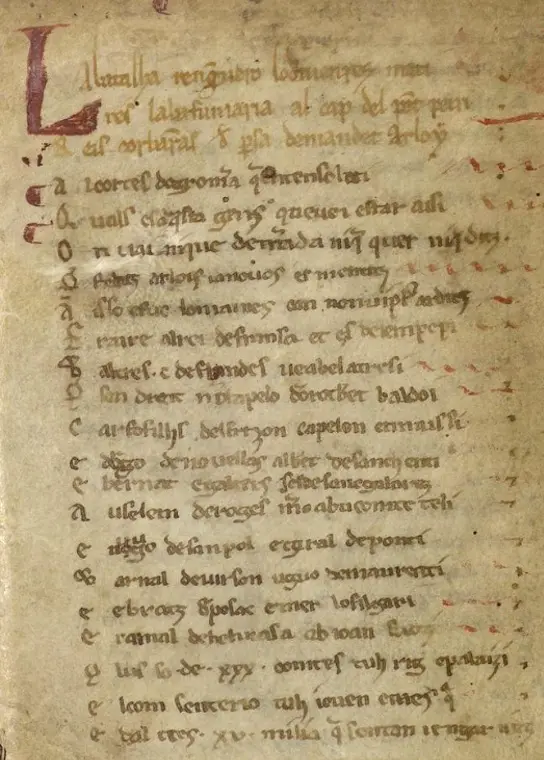
And the Crusade Became Song… Telling the First Crusade in Occitan

Federico Novello, a postdoctoral researcher at the Heidelberg Academy of Sciences, leads this lecture within the seminar Occitan médiéval: introduction à la langue et à la littérature, directed by Professor Caterina Menichetti. The session explores how the First Crusade was recounted in Occitan, highlighting the literary and historical uses of language in medieval narrative traditions. It offers a focused look at the transmission of crusading memory through poetic and prose forms, as well as the cultural context that shaped these texts.

In French.
Bd des Philosophes 22,
1205 Genève
Photo Credit: DR
{"title":"And the Crusade Became Song… Telling the First Crusade in Occitan","description":"\u003Cp\u003EFederico Novello, a postdoctoral researcher at the Heidelberg Academy of Sciences, leads this lecture within the seminar Occitan m\u00e9di\u00e9val: introduction \u00e0 la langue et \u00e0 la litt\u00e9rature, directed by Professor Caterina Menichetti. The session explores how the First Crusade was recounted in Occitan, highlighting the literary and historical uses of language in medieval narrative traditions. It offers a focused look at the transmission of crusading memory through poetic and prose forms, as well as the cultural context that shaped these texts.\u003C\/p\u003E\u003Cp\u003E\u003Cstrong\u003EIn French.\u003C\/strong\u003E\u003C\/p\u003E","start_date":"2026-11-11","end_date":"2026-11-11","date":"Wednesday 11 November, 10:15","timings":[{"timing_start_date":"20261111T091500Z","timing_end_date":"20261111T111500Z"}]}
Photo Credit: DR

You might also like

Wednesday 11 November, 18:30

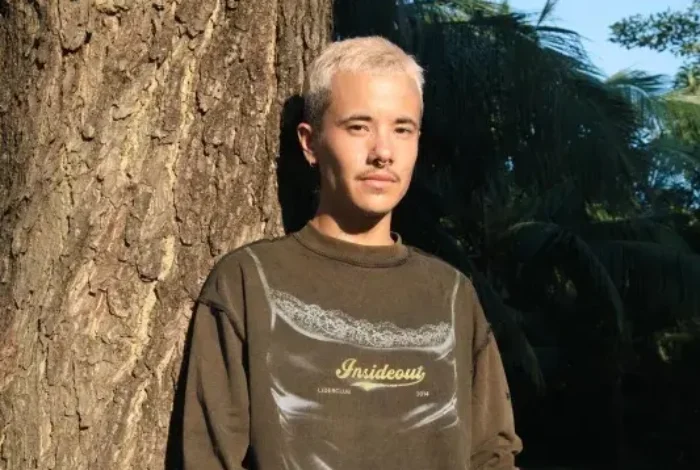
Within the Mondes Parlés programme, Noah Truong shares excerpts from his novel-in-progress and then opens the floor to a public conversation. The text follows a diasporic, depressed and transsexual tourist in Ho Chi Minh City, as he confronts his own sense of displacement and the expectations he places on the country of his father’s origin. The session is shaped with the complicity of Emmanuelle Pireyre, writer and head of the writing workshop at HEAD – Genève.

In French. Followed by a discussion.

28 January – 23 December

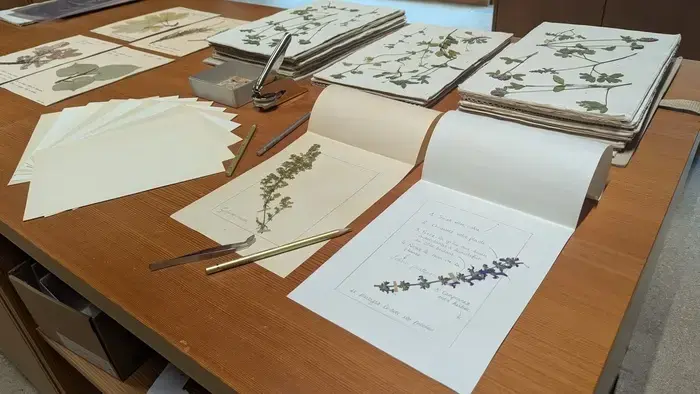
This workshop explores the traditional process of assembling a herbarium specimen, inspired by Jean-Jacques Rousseau’s collections. Participants learn scientific techniques for pressing and mounting dried plants on old paper, practice botanical labelling and nomenclature, and select specimens to create a personal herbarium sheet. The session examines preservation methods, identification principles and the historical context of Rousseau’s approach, combining practical skills with scientific insight to produce a lasting botanical object.

In French.

Wednesday 11 November, 19:00

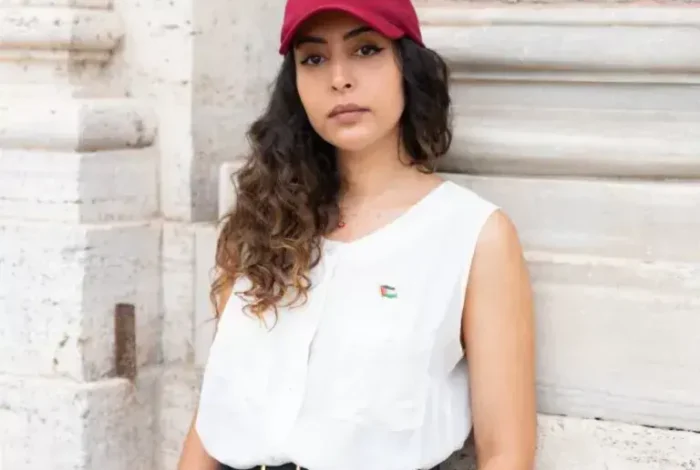
Filmmaker and artist Randa Maroufi discusses how a film comes into being, from the first idea to the finished work. Drawing on visuals and production materials, she traces the development of her projects: encounters, gathered material, editorial choices, and the stages that shape each film. In conversation with Frank Westermeyer, artist, filmmaker, and head of the Prisma option in the Visual Arts department at HEAD – Geneva, she also reflects on sharing films with the people who took part in them and opens the discussion to the audience.

In French.

28 January – 23 December

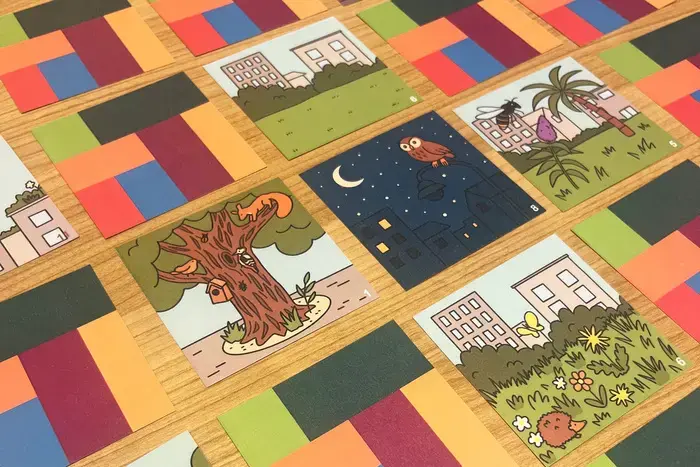
This interactive memory challenge invites participants to test their memory while exploring practical ways to preserve biodiversity based on Geneva’s municipal strategy. Players match “before-and-after” images that illustrate individual and institutional actions, and each correct pair reveals concise information explaining the measure. The activity examines themes such as habitat restoration, species-friendly practices, urban greening and policy responses, helping participants understand the impact and rationale behind everyday and organisational conservation choices.

2 – 6 November

Wright Colloquium 2026 brings together interdisciplinary inquiry to rethink what we call intelligence. The program examines intelligence across scales — from artificial systems and ant colonies to neurons and engrams — and considers cognitive, neurological and philosophical perspectives. Participants will explore how different forms of intelligence shape societies, knowledge and our worldviews, with discussions, panels and workshops aimed at advancing conceptual and practical understanding.

In French and in English.

9 – 13 November

Organised by the University of Geneva’s Global Studies Institute, Human Rights Week 2026 examines the right to health in a world shaped by pandemics, environmental crisis and geopolitical tension. Through lectures, round tables, symposia and cultural events, the programme brings together scholars and practitioners to discuss health policies that are sustainable, inclusive and grounded in human rights. It offers a broad, interdisciplinary perspective on the challenges of building fairer health systems.

Oops! It seems there
are no events matching your selection!

Please adjust your criteria to see more results.

Password was reset

Your password has been reset successfully. You can now log in with your new password.

Check your Inbox

We’ve sent you a password reset email to the address provided. Please check your inbox and/or spam folder.

Thank you!

Please check your inbox for a verification email to complete your sign-up.

Newsletter

Culture, curated weekly.

Add to Calendar

Select the date to be saved in your Google calendar.

calendar placeholder

Done!

Event removed from your CoolAgenda.

Yeah!

Event Saved to your CoolAgenda

Add to CoolAgenda

In your CoolAgenda

Date

Title

Location

Description

calendar placeholder

Reset password

Forgot your password?

Sign Up

Create your Account and Culture Up!