Friday 20 March, 09:00

Imagining Futures

Booking Required

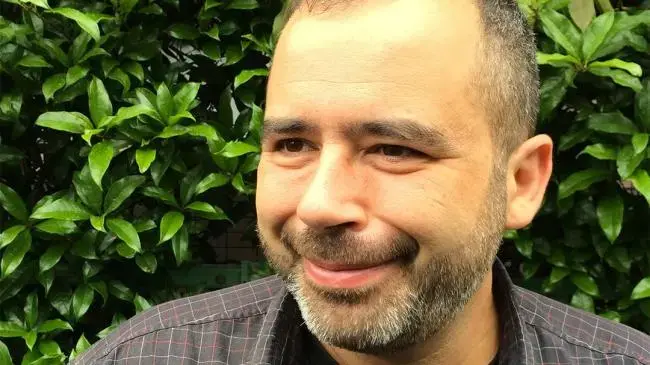
Giulia Angrisani, a futurologist and facilitator, leads participatory laboratories that use storytelling for speculative inquiry and critical reflection on social futures.

The workshop examines storytelling as a tool of resistance, decolonization and transformation, exploring how alternative narratives reconnect past and future, awaken collective imagination, and propose desirable, possible futures. Participants experiment with speculative techniques to reframe dominant stories and imagine practical pathways for social change.

In French.
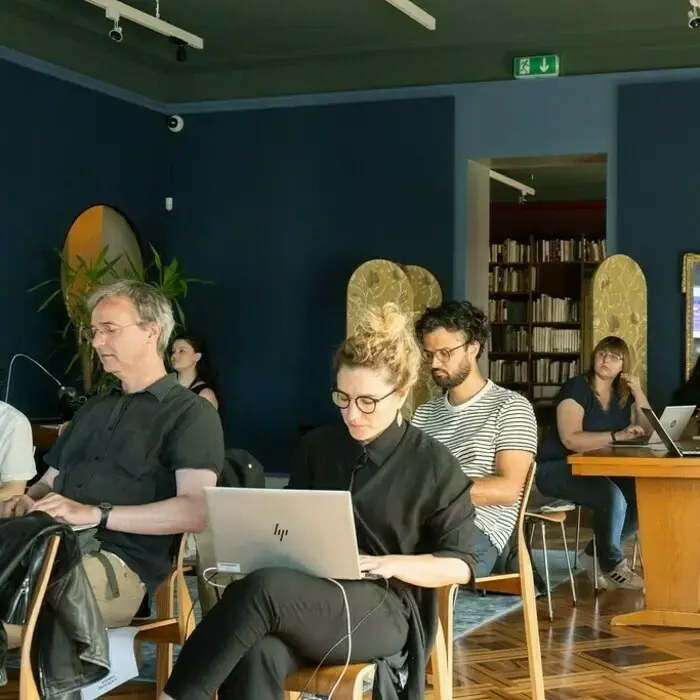
Promenade du Pin 5 (3ème étage)
{"title":"Imagining Futures","description":"\u003Cp\u003EGiulia Angrisani, a futurologist and facilitator, leads participatory laboratories that use storytelling for speculative inquiry and critical reflection on social futures.\u003C\/p\u003E\u003Cp\u003EThe workshop examines storytelling as a tool of resistance, decolonization and transformation, exploring how alternative narratives reconnect past and future, awaken collective imagination, and propose desirable, possible futures. Participants experiment with speculative techniques to reframe dominant stories and imagine practical pathways for social change.\u003C\/p\u003E\u003Cp\u003E\u003Cstrong\u003EIn French.\u003C\/strong\u003E\u003C\/p\u003E","start_date":"2026-03-20","end_date":"2026-03-20","date":"Friday 20 March, 09:00","timings":[{"timing_start_date":"20260320T080000Z","timing_end_date":"20260320T200000Z"}]}
Photo Credit: DR

You might also like

23 – 27 February

Pascal Laajili, lighting designer renowned for his collaborations with Valérie Lesort, Christian Hecq and the Philippe Genty company, leads this technical laboratory. The workshop investigates how light interacts with the puppet’s shifting scale, its multiple layers of reality and unique dramaturgy. Through collective experiments, participants explore lighting strategies that treat light as a play partner capable of revealing, transforming or making the object disappear. The format is workshop-focused and intended for professional practitioners.

In French.

28 January – 23 December

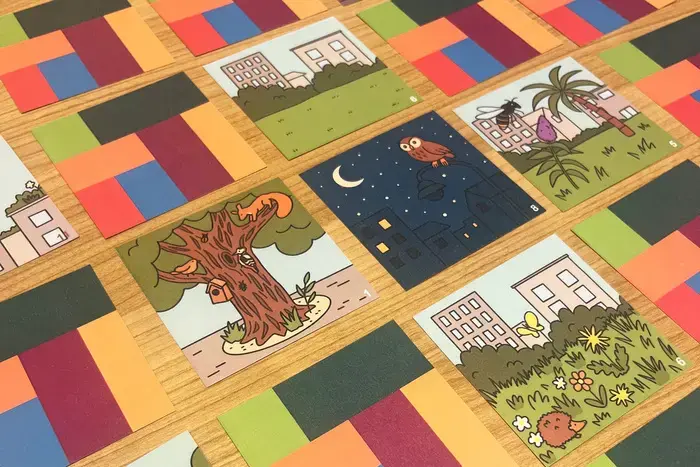
This interactive memory challenge invites participants to test their memory while exploring practical ways to preserve biodiversity based on Geneva’s municipal strategy. Players match “before-and-after” images that illustrate individual and institutional actions, and each correct pair reveals concise information explaining the measure. The activity examines themes such as habitat restoration, species-friendly practices, urban greening and policy responses, helping participants understand the impact and rationale behind everyday and organisational conservation choices.

28 January – 23 December

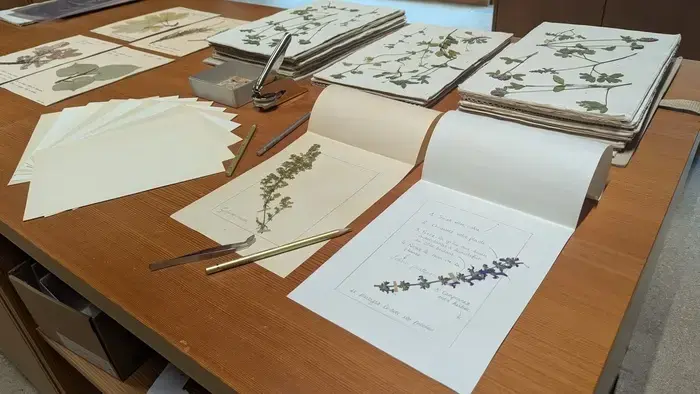
This workshop explores the traditional process of assembling a herbarium specimen, inspired by Jean-Jacques Rousseau’s collections. Participants learn scientific techniques for pressing and mounting dried plants on old paper, practice botanical labelling and nomenclature, and select specimens to create a personal herbarium sheet. The session examines preservation methods, identification principles and the historical context of Rousseau’s approach, combining practical skills with scientific insight to produce a lasting botanical object.

In French.

Wednesday 25 February, 14:00

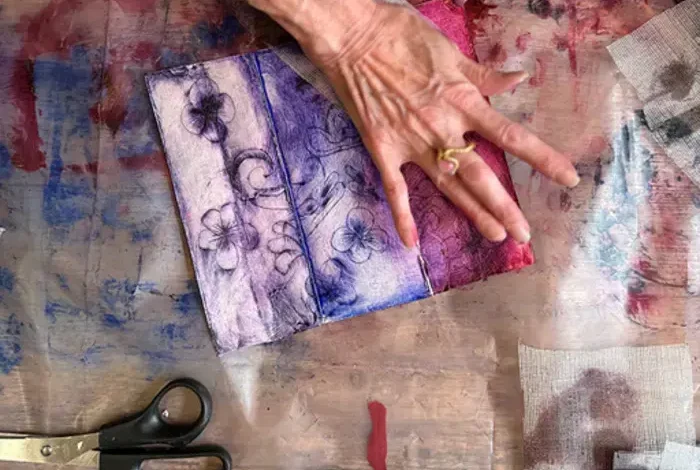
Using repurposed Tetrapak cartons, this hands-on workshop explores drypoint engraving techniques applied to urban imagery. Participants investigate line-making through scratching, cutting and folding, and learn how to incise plates and produce prints. The session encourages observation of streets, buildings and people of Les Pâquis, guiding creative reinterpretation of the neighbourhood while developing technical skills in plate preparation, inking and printing. Each participant leaves with their engraved plate and a printed impression of their work.

In French.

Saturday 28 February, 15:30

This session explores the diversity and conservation of aromatic and medicinal plants conserved in the Geneva Botanic Garden’s living collections and herbarium. It examines rare species listed under CITES and the threats they face, and presents field projects led by Brazilian, Malagasy and South African partners to protect habitats and sustain local livelihoods. Participants learn how botanical collections inform conservation action, research priorities and policy responses for preserving health, heritage and biodiversity.

In French.

Saturday 28 February, 14:00

This session takes listeners on a journey through herbarium and living plant collections, highlighting rare medicinal and aromatic species listed under CITES. It examines how researchers and international collaborators from Brazil, Madagascar and South Africa investigate habitat threats, document species and implement field projects. The talk explores conservation strategies that safeguard biodiversity while supporting traditional health practices, cultural heritage and local livelihoods by connecting scientific research with on-the-ground protection efforts.

In French.

Oops! It seems there
are no events matching your selection!

Please adjust your criteria to see more results.

Add to Calendar

Select the date to be saved in your Google calendar.

calendar placeholder

Done!

Event removed from your CoolAgenda.

Yeah!

Event Saved to your CoolAgenda

Add to CoolAgenda

In your CoolAgenda

Reset password

Password was reset

Your password has been reset successfully. You can now log in with your new password.

Check your Inbox

We’ve sent you a password reset email to the address provided. Please check your inbox and/or spam folder.

Forgot your password?

Thank you!

Please check your inbox for a verification email to complete your sign-up.

Sign Up

Create your Account and Culture Up!