

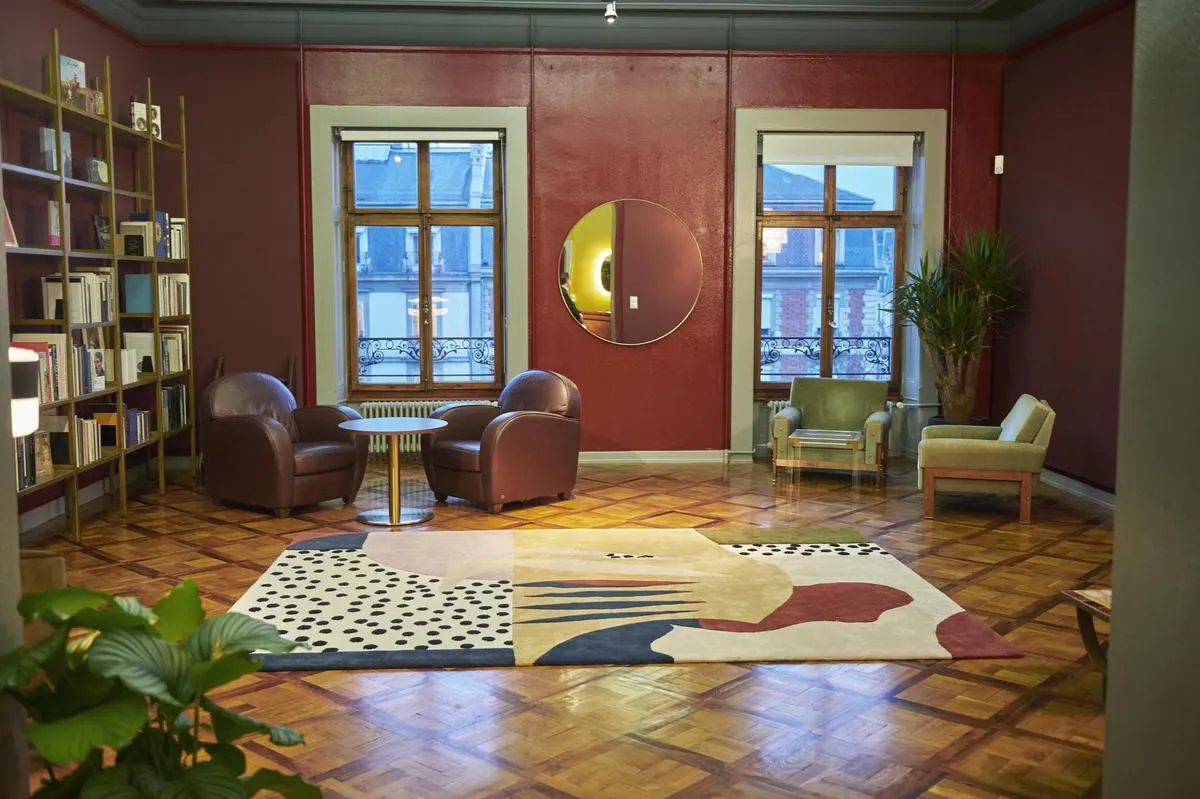
GamMAH, located on the Promenade du Pin, is an extension of the Musée d’art et d’histoire (MAH). It offers an alternative space where the museum’s collections can be explored in new ways, combining exhibitions with opportunities for social interaction. The venue also hosts smaller, more intimate events that encourage informal discussions about art and history.
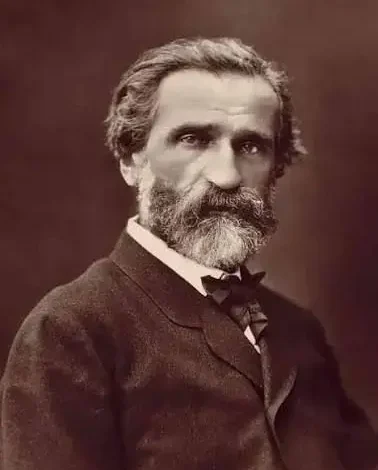
Patrick Favre-Tissot, musicologist and author of Giuseppe Verdi (Bleu Nuit editions), brings scholarly expertise in 19th-century opera and cultural history.
This lecture examines how Verdi’s compositions intersected with Italian patriotism, investigating key works, historical contexts, and musical rhetoric that fostered national sentiment. It explores artistic strategies Verdi used to address political themes and what that reveals about opera’s role in 19th-century public life.
In French.
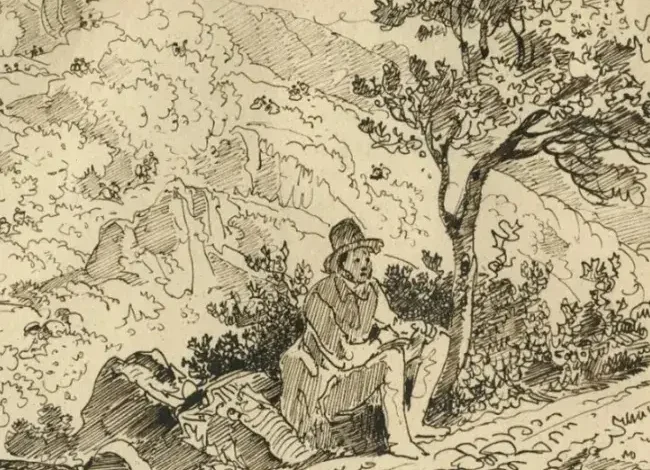
Discover hidden treasures from a museum’s graphic arts collection, including prints, drawings and rare books from Europe and beyond. An art historian welcomes visitors and offers close encounters with works on paper, facilitating insight into techniques, themes and historical context. This edition focuses on the notebooks and drawings of Rodolphe Töpffer, linked to his zigzag travels, and examines how sketching shaped his visual narratives.
In French.
Your password has been reset successfully. You can now log in with your new password.
We’ve sent you a password reset email to the address provided. Please check your inbox and/or spam folder.
Please check your inbox for a verification email to complete your sign-up.
Culture, curated weekly.
Event removed from your CoolAgenda.

