

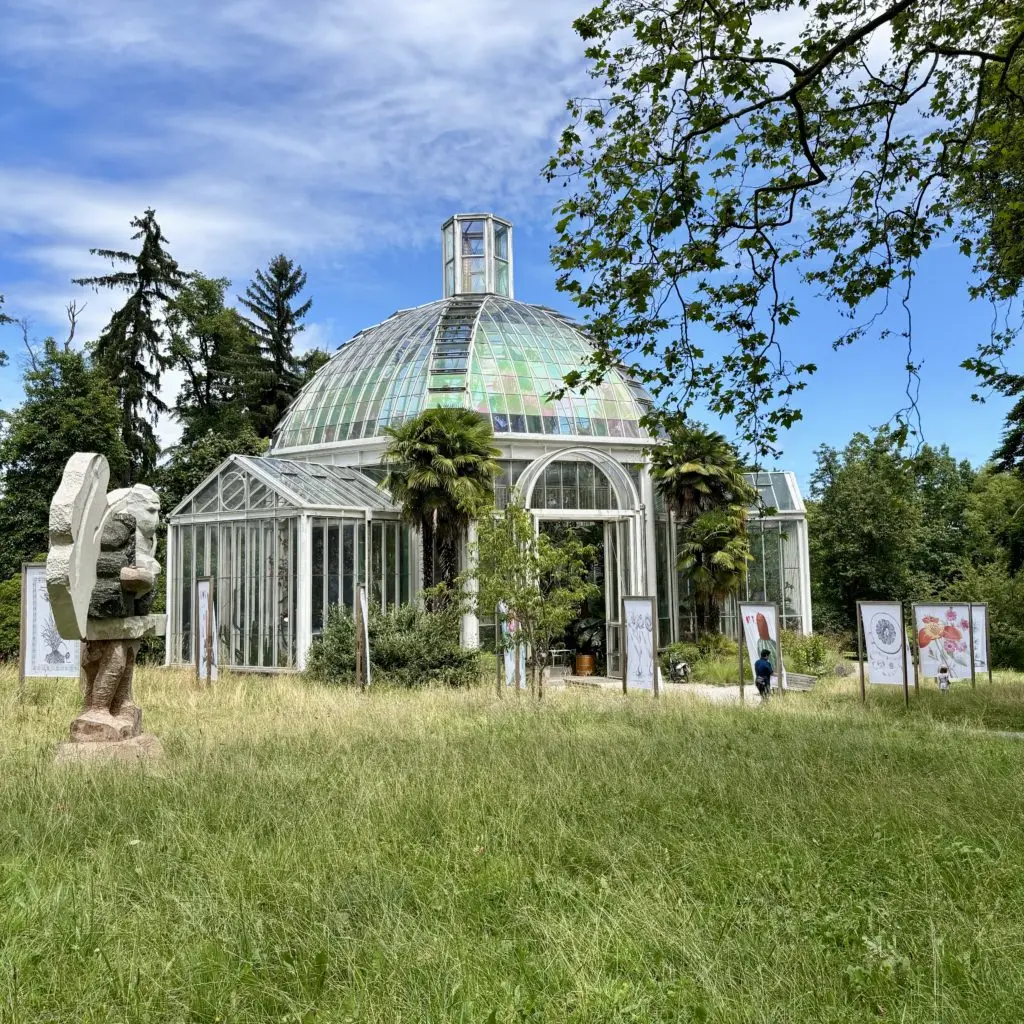
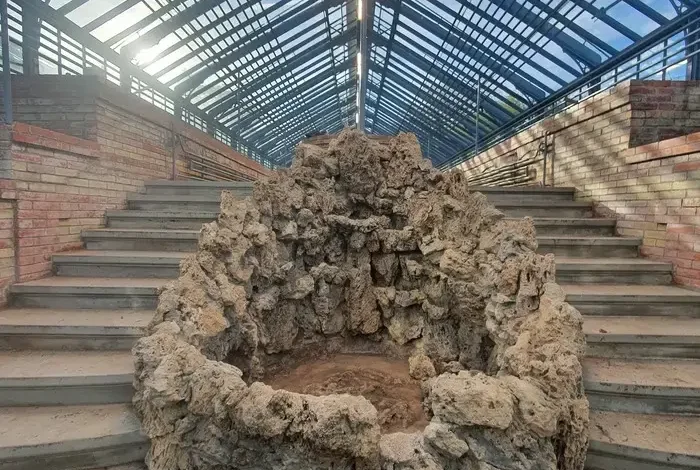
Baroness Julie Caroline de Rothschild’s 19th‑century greenhouse, built in the 1880s from Canadian Pitch Pine, presents a living archive of botanical rarities. Succulents, palms, citrus and orchids stand alongside the iron-and-glass architecture, revealing intersections between horticulture, material craft and colonial-era plant collecting. The greenhouse’s preserved structure and curated plant collections evoke histories of taste, conservation and botanical display. Gardeners who tend the living holdings continue a dialogue between historical legacy and contemporary stewardship.
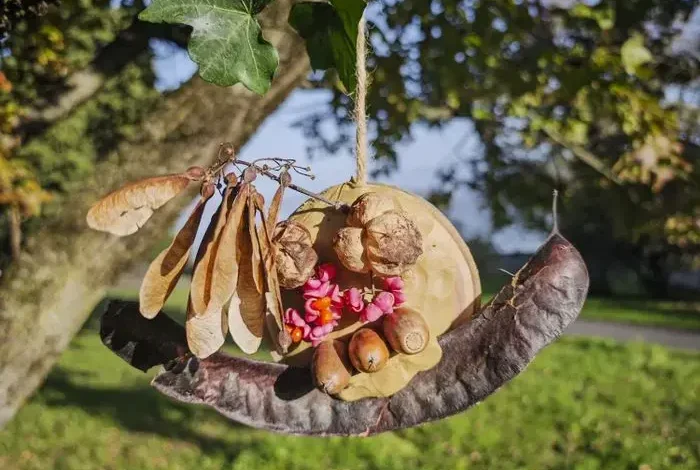
Explore the rich colours and textures of autumn in a hands-on art workshop. Hunt for bright leaves, plump fruits and unusual seeds, feeling their shapes and mixing their hues. Create temporary artworks from natural bits, arranging colours, rubbing textures, and trying simple prints. Listen to crunching leaves and notice smells while experimenting with patterns and movements. This playful workshop sparks curiosity, observation and creativity through sensory discovery.
Kids ages from 6 to 13.
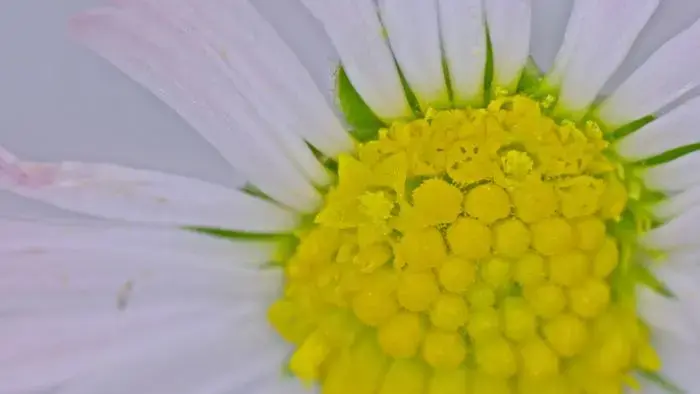
Peer at plants through magnifying glasses and microscopes. Take a leaf, then move closer to spot tiny hairs, textures and a minuscule insect. Learn how scientific instruments reveal hidden patterns and shapes. Investigate fungi, stems and leaves with bright colours, soft fuzz, and surprising smells. Draw what you see, compare details, and share discoveries with friends. This hands-on workshop encourages careful observation, curiosity and a love for the small wonders of the natural world.
Kids ages from 8 to 13.
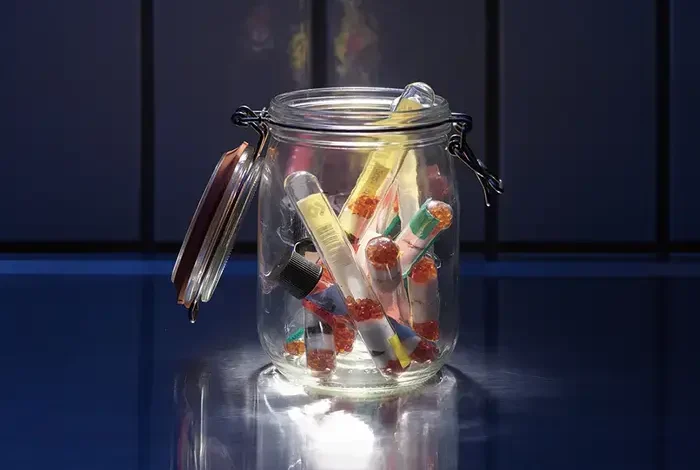
Andreas Ensslin, scientist at the Geneva Botanic Garden, presents current research on seed conservation and genetic diversity in threatened plant species across changing climates.
This guided session examines challenges seed banks face as climates shift, investigating viability, evolutionary mismatch, and the limits of long-term frozen storage. Ensslin discusses implications for restoration, adaptive strategies, and how conservation practice must respond to ensure seeds remain useful for future ecosystems.
Ages 12 and up. In French.
Your password has been reset successfully. You can now log in with your new password.
We’ve sent you a password reset email to the address provided. Please check your inbox and/or spam folder.
Please check your inbox for a verification email to complete your sign-up.
Culture, curated weekly.
Event removed from your CoolAgenda.

