Thursday 12 November, 18:30

Water and Our Shared Relationship to Life

The Convergences Foundation, Jardins de Cocagne, and the BiodiversCité Collective bring together environmental and agricultural perspectives on water, with contributions linked to the Kogi people of Colombia and local farming practices. The exchange features Nadja Ramseier, a vegetable grower at Jardins de Cocagne, and Gilles Maulhauser, former Director General for Nature, Landscape and Water in the State of Geneva.

Two short documentaries introduce a discussion moderated by Tania Jenkins, followed by a Q&A with the audience. The session examines how communities care for water, living systems, and what they hold in common, inviting reflection on ecological responsibility and shared resources.
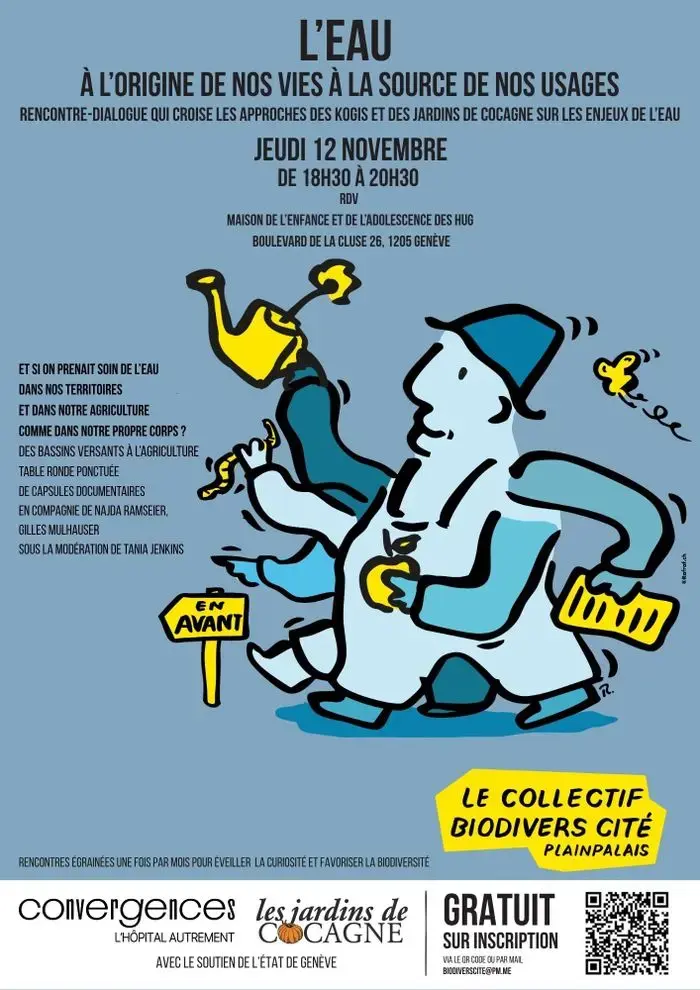
Boulevard de la Cluse 26,
Switzerland
Photo Credit: Raphaël Nessim
{"title":"Water and Our Shared Relationship to Life","description":"\u003Cp\u003EThe Convergences Foundation, Jardins de Cocagne, and the BiodiversCit\u00e9 Collective bring together environmental and agricultural perspectives on water, with contributions linked to the Kogi people of Colombia and local farming practices. The exchange features Nadja Ramseier, a vegetable grower at Jardins de Cocagne, and Gilles Maulhauser, former Director General for Nature, Landscape and Water in the State of Geneva.\u003C\/p\u003E\u003Cp\u003ETwo short documentaries introduce a discussion moderated by Tania Jenkins, followed by a Q&A with the audience. The session examines how communities care for water, living systems, and what they hold in common, inviting reflection on ecological responsibility and shared resources.\u003C\/p\u003E","start_date":"2026-11-12","end_date":"2026-11-12","date":"Thursday 12 November, 18:30","timings":[{"timing_start_date":"20261112T173000Z","timing_end_date":"20261112T193000Z"}]}
Photo Credit: Raphaël Nessim

You might also like

22 September – 15 December

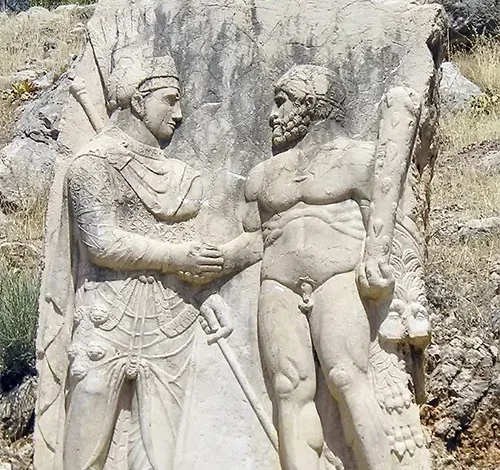
The Department of Ancient Studies at the Faculty of Humanities (UNIGE) is offering a series of public lectures dedicated to interactions, exchanges, and cultural dynamics in the ancient world. Faculty members and researchers will explore diplomatic relations, the movement of objects, religious and linguistic influences, and issues of identity at the crossroads of the Mediterranean and the ancient Near East.

In French.

9 – 13 November

Organised by the University of Geneva’s Global Studies Institute, Human Rights Week 2026 examines the right to health in a world shaped by pandemics, environmental crisis and geopolitical tension. Through lectures, round tables, symposia and cultural events, the programme brings together scholars and practitioners to discuss health policies that are sustainable, inclusive and grounded in human rights. It offers a broad, interdisciplinary perspective on the challenges of building fairer health systems.

28 January – 23 December

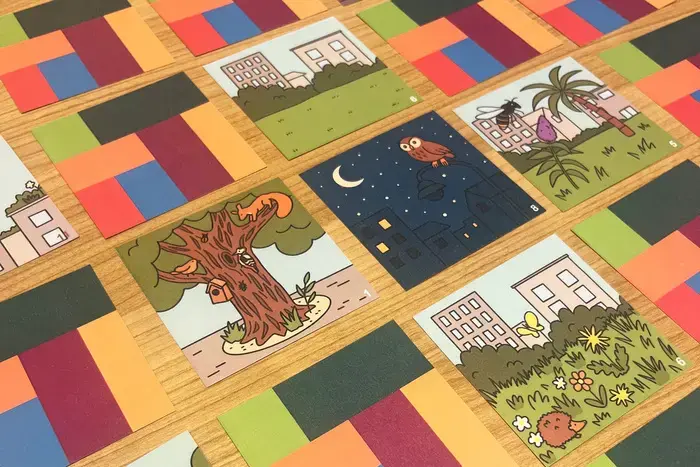
This interactive memory challenge invites participants to test their memory while exploring practical ways to preserve biodiversity based on Geneva’s municipal strategy. Players match “before-and-after” images that illustrate individual and institutional actions, and each correct pair reveals concise information explaining the measure. The activity examines themes such as habitat restoration, species-friendly practices, urban greening and policy responses, helping participants understand the impact and rationale behind everyday and organisational conservation choices.

Saturday 14 November, 09:30

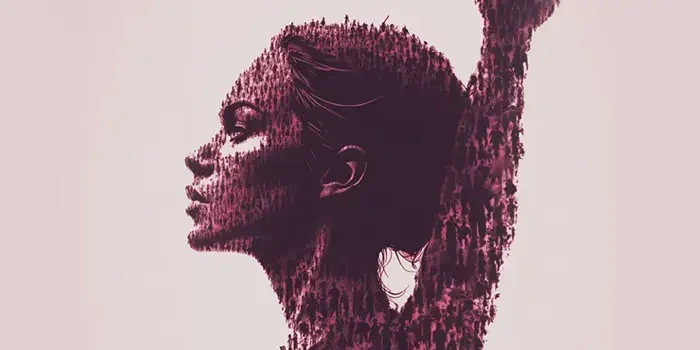
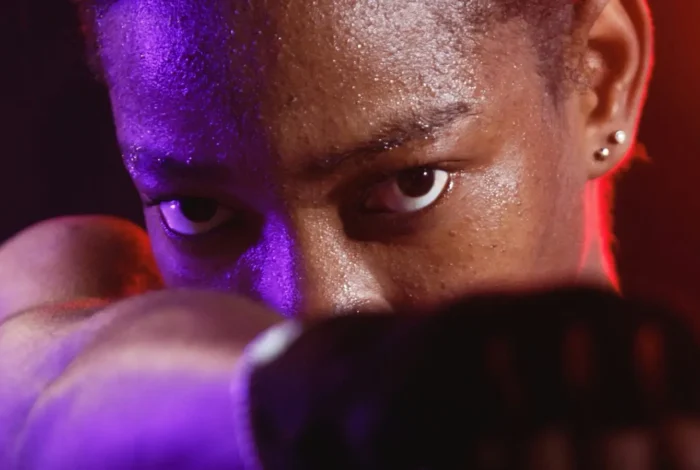
Workshop for racialized women* and gender minorities that combines practical self-defence techniques with critical reflection on racism and its role in violence. Participants learn prevention strategies, situational awareness, physical and verbal resistance tactics, and ways to reclaim confidence and agency through embodied practice. The programme addresses racist aggression specifically, integrating theoretical context and participants’ experiences to develop collective responses. The session is led by Wissem and Phi, who are racialized facilitators.

In French.

Saturday 14 November, 14:30

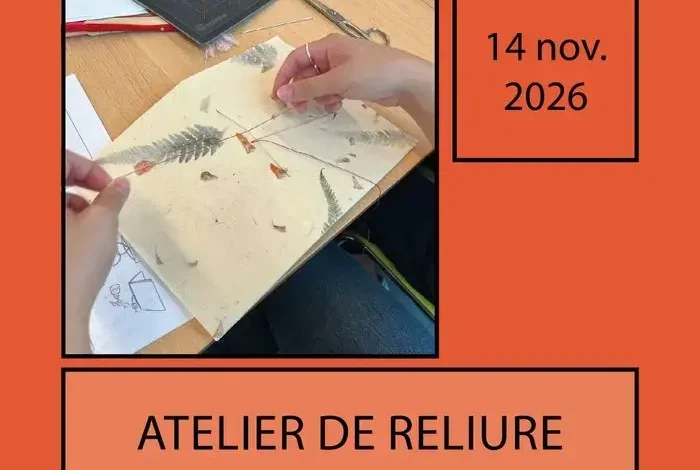
Led by the association Histoire sans chute, the session is facilitated by the group named in the programme and focuses on artisanal bookbinding techniques.

Participants cut, fold and stitch reclaimed papers to assemble their own notebook, exploring traditional binding methods, material selection and sustainable reuse. The workshop examines practical techniques and step-by-step processes to develop durable handmade books and to deepen understanding of craft practices.

Adults and kids above 14 years old.

28 January – 23 December

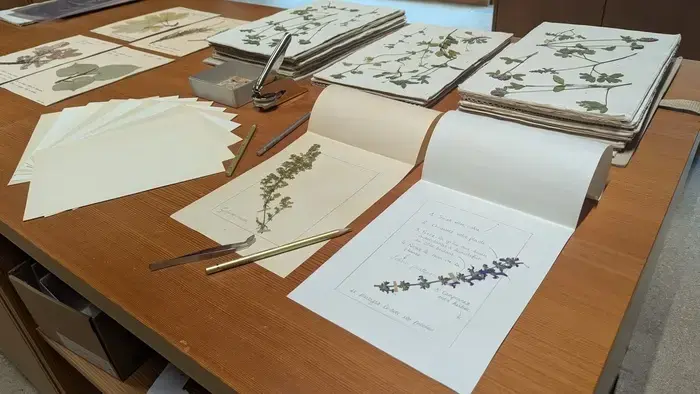
This workshop explores the traditional process of assembling a herbarium specimen, inspired by Jean-Jacques Rousseau’s collections. Participants learn scientific techniques for pressing and mounting dried plants on old paper, practice botanical labelling and nomenclature, and select specimens to create a personal herbarium sheet. The session examines preservation methods, identification principles and the historical context of Rousseau’s approach, combining practical skills with scientific insight to produce a lasting botanical object.

In French.

Oops! It seems there
are no events matching your selection!

Please adjust your criteria to see more results.

Password was reset

Your password has been reset successfully. You can now log in with your new password.

Check your Inbox

We’ve sent you a password reset email to the address provided. Please check your inbox and/or spam folder.

Thank you!

Please check your inbox for a verification email to complete your sign-up.

Newsletter

Culture, curated weekly.

Add to Calendar

Select the date to be saved in your Google calendar.

calendar placeholder

Done!

Event removed from your CoolAgenda.

Yeah!

Event Saved to your CoolAgenda

Add to CoolAgenda

In your CoolAgenda

Date

Title

Location

Description

calendar placeholder

Reset password

Forgot your password?

Sign Up

Create your Account and Culture Up!