

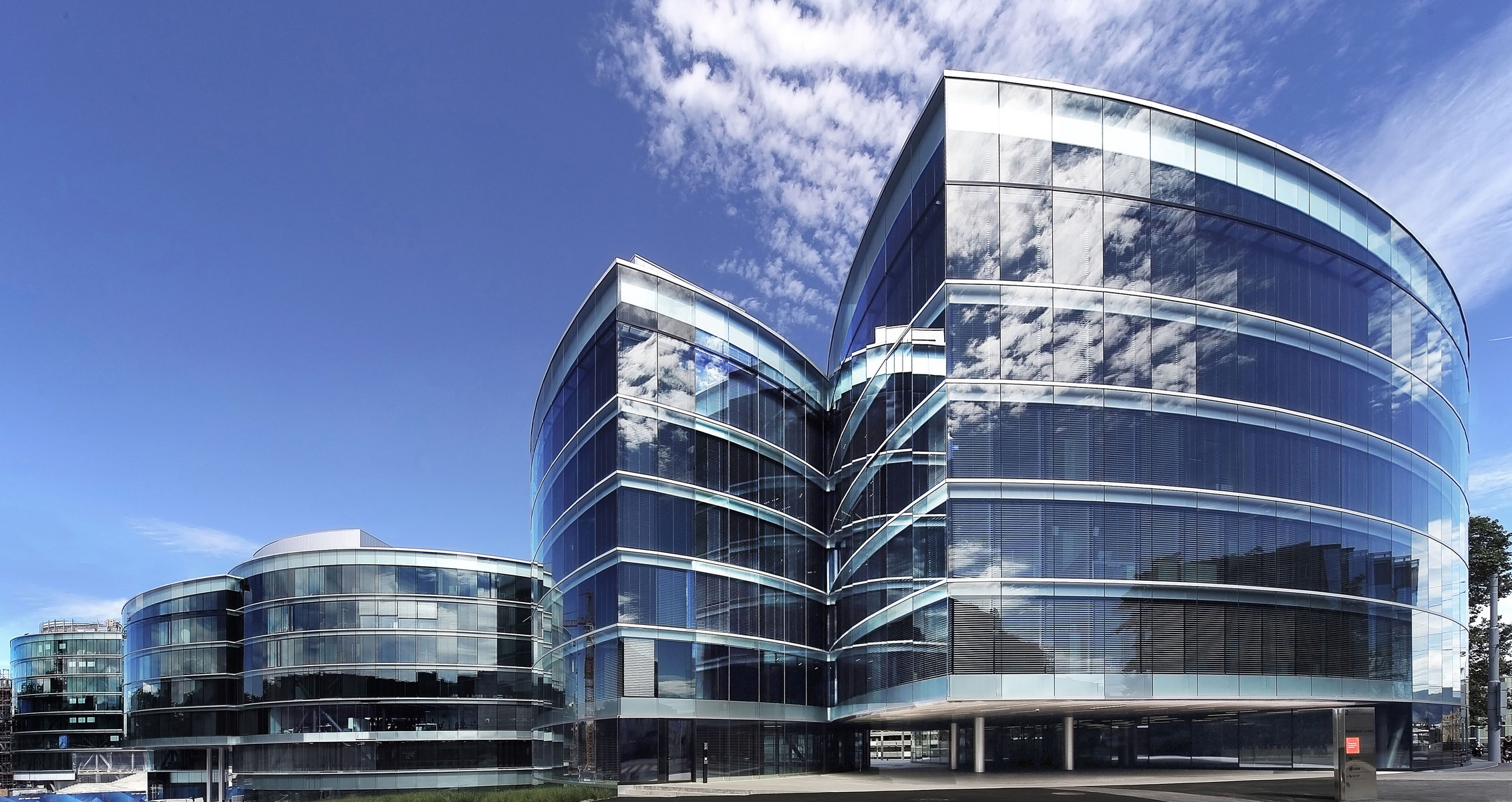
As an integral part of the Graduate Institute of International and Development Studies, the Maison de la Paix houses various lecture facilities and an auditorium. It actively fosters synergies that drive innovative solutions to promote peace, human security, and sustainable development.
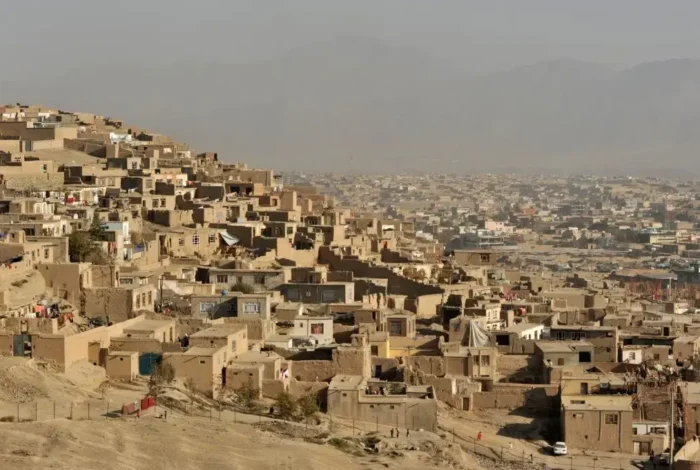
Through a tightly observed documentary, Afghan women’s rights defenders evacuated to safety are presented in intimate portraits and vérité sequences that foreground courage and resilience. The film interweaves first-hand testimony with contextual reflection to connect grassroots activism to academic debates and frontline crises. Following the screening, a panel discussion interrogates the ethical, political and humanitarian dimensions of solidarity and protection for activists, emphasizing personal stories and collective strategies without resorting to sensationalism.

This seminar’s 12th edition examines Switzerland–EU relations amid great‑power rivalries, economic uncertainty and shifts in the European landscape. Discussions will explore Bilaterales III, Swiss neutrality, Switzerland’s role in the international order, security, sovereignty, resilience and European strategic autonomy. Contributors from academic, economic and institutional fields will take part in a morning of reflection and debate, offering comparative insights and policy‑relevant analysis.
In French.

This lecture explores how Ukraine and the lands north of the Black Sea have shaped major global historical developments, from prehistory to the present. It examines how Ukrainian history can reshape familiar narratives of world history by placing the region at the center of wider political, cultural, and intellectual transformations. The keynote is delivered by Timothy Snyder, followed by a conversation with Awet Weldemichael and a public question-and-answer session, with a welcome by Marie-Laure Salles.
In English.
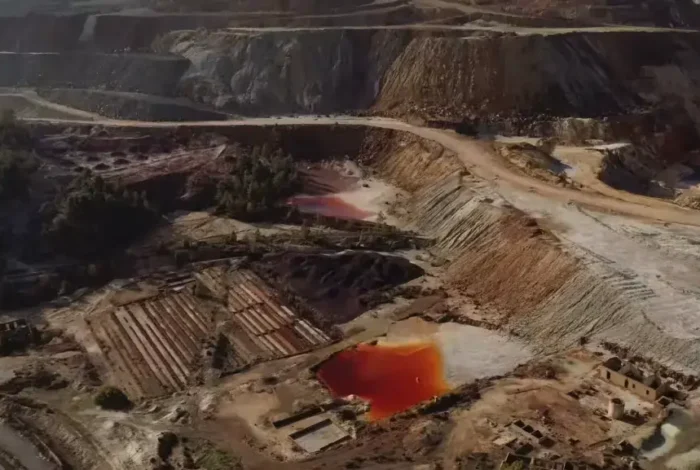
Following climate activists Anuna De Wever and Lena Hartog, this documentary traces grassroots resistance to extractivism across Italy, Serbia and Sápmi. Through intimate encounters and observational footage, the film connects local struggles to broader debates on war, justice and democracy, arguing that extractive violence functions as structural warfare on communities and ecosystems. Voices from affected communities and thinkers such as Fati N’Zi‑Hassane, Vijay Prashad, Greta Thunberg and Jason Hickel shape a probing, elegiac meditation on who pays for growth and how to move beyond it.

Jaemin Shim, associate professor at Hong Kong Baptist University, draws on network and interview research from South Korea and Taiwan to examine a paradox in democratic representation. The lecture investigates how legislators’ specialization on women’s issues can strengthen substantive representation while constraining access to career-relevant political networks and opportunities for advancement. Shim discusses implications for political careers, gendered authority, and institutional pathways that shape legislators’ influence and survival.
In English.
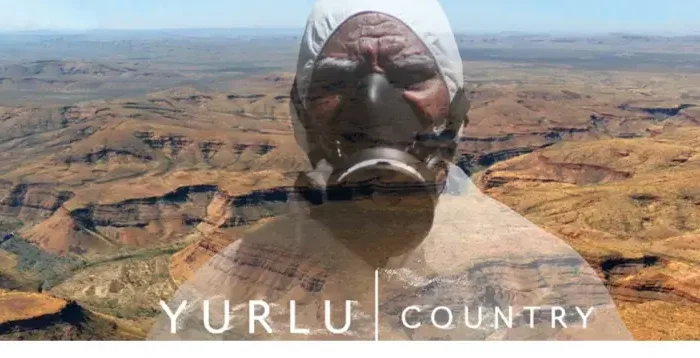
A screening of Yaara Bou Melhem’s Yurlu Country anchors this evening of cinema and dialogue. The film follows Banyjima elder Maitland Parker as he pursues justice over asbestos mining on his ancestral land in Western Australia, blending personal testimony with a wider struggle for accountability. A moderated panel extends the film’s urgent themes, asking how communities can document environmental harm, challenge powerful interests, and press for responsible business practices through collective action and public scrutiny.
Your password has been reset successfully. You can now log in with your new password.
We’ve sent you a password reset email to the address provided. Please check your inbox and/or spam folder.
Please check your inbox for a verification email to complete your sign-up.
Culture, curated weekly.
Event removed from your CoolAgenda.

