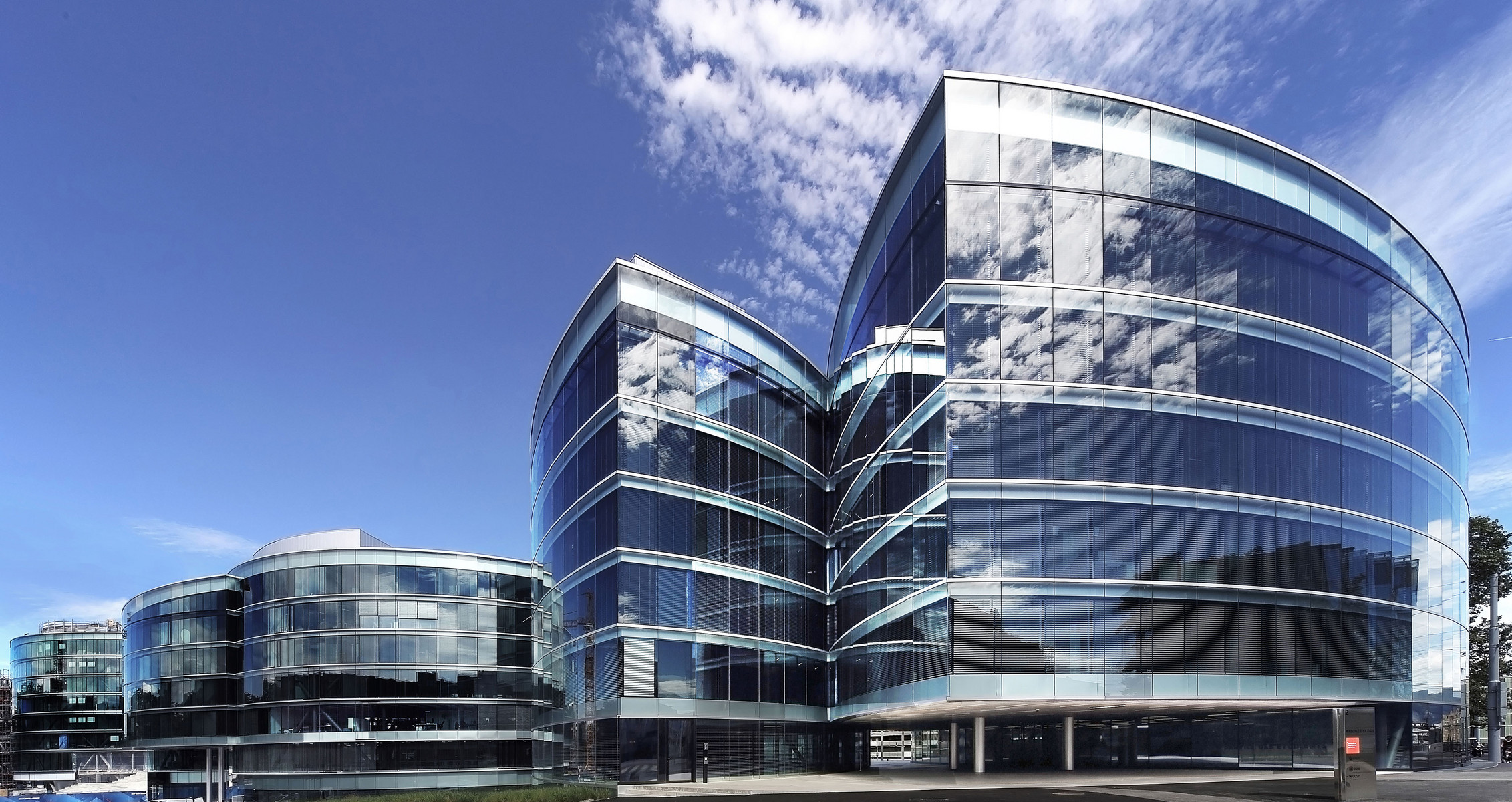
As an integral part of the Graduate Institute of International and Development Studies, the Maison de la Paix houses various lecture facilities and an auditorium. It actively fosters synergies that drive innovative solutions to promote peace, human security, and sustainable development.
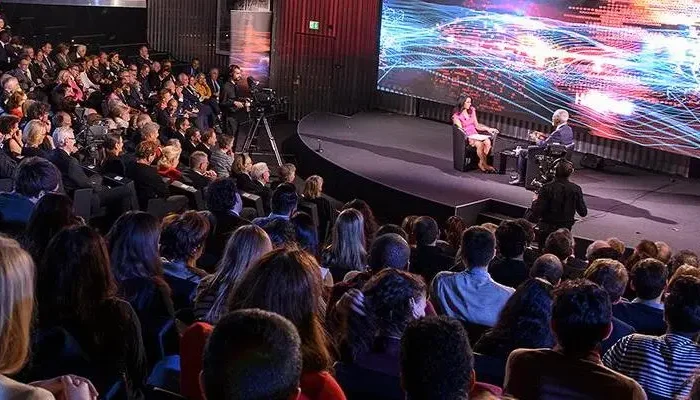
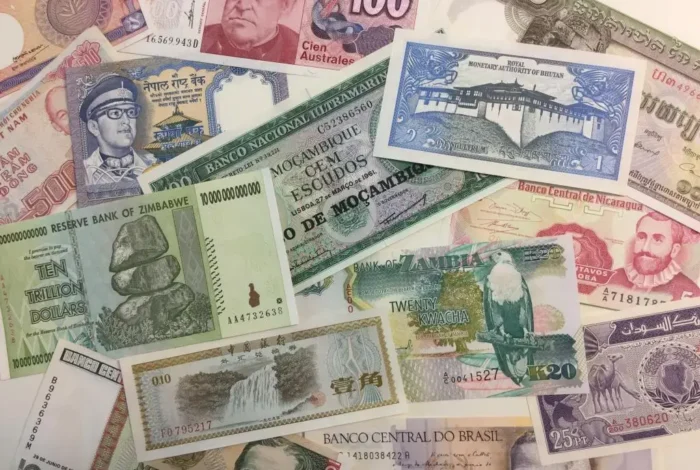
Dean Karlan, professor of economics and finance at the Kellogg School of Management and founder of Innovations for Poverty Action, draws on experimental and behavioural research to examine what works to reduce poverty. He discusses the role of rigorous evidence in reshaping foreign aid, with concrete examples from economic and financial inclusion policy. The lecture explores implications for programme design, evaluation and policy decisions, and reflects on translating experimental findings into scalable interventions.
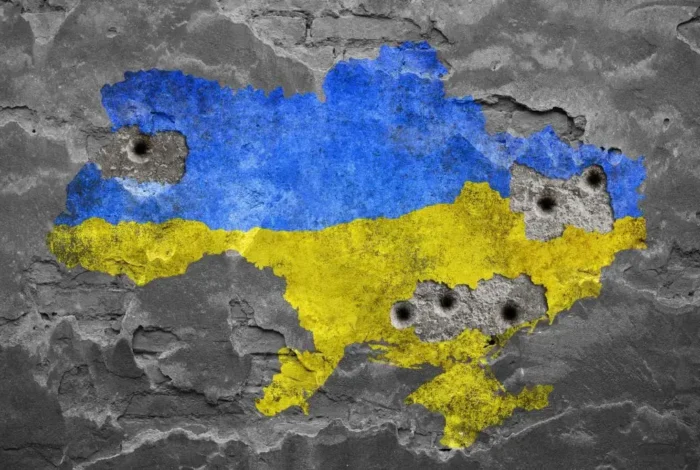
Kristina Kovalskaya, PhD in sociology (École pratique des hautes études), examines the varied effects of the war on Muslims from Russia and their diasporas. Drawing on colonial history, the sociology of religion and fieldwork on North Caucasian migration in Europe, she investigates parallel Muslim battalions, competing religious legitimations for participation in the conflict, and how diasporic politics have been reconfigured since 2014. The lecture offers analytical tools to rethink dominant interpretive frameworks.
Marlène Laruelle, PhD, professor at Luiss University and director of the Illiberalism Studies Program, presents an analytical lecture on the changing normative foundations of Western democracies. Drawing on her edited volume The Oxford Handbook of Illiberalism (Oxford University Press, 2024) and comparative research, she examines why illiberal ideas gain traction, exploring socioeconomic inequality, technocratic governance, cultural dislocation and weakening narratives of progress. Laruelle assesses whether liberalism is being reformed, reconfigured, or replaced, and considers implications for democratic norms and international order.
Till Mostowlansky, anthropologist at the Geneva Graduate Institute, presents the edited volume Humanitarianism from Below? with contributions from Alexander Ephrussi. Discussant Prof. Davide Rodogno joins the conversation.
Drawing on ethnographic and historical research, the seminar examines alternative and often overlooked forms of humanitarianism worldwide, interrogating assumptions of universalism and assessing their effects on global aid practices. The discussion highlights local initiatives, moral economies, and the political stakes of defining humanitarian worth.
Claudia Kedar, historian at the Hebrew University of Jerusalem, presents her new book offering a comprehensive study of the World Bank’s role during the Cold War in Latin America. Drawing on multi-archival research and newly declassified World Bank documents, Kedar examines the Bank’s responses to Argentina’s major economic and political challenges: populism, developmentalism, economic nationalism, authoritarian rule, human rights abuses and the 1980s ‘Lost Decade.’ The lecture situates these interactions within broader Cold War and development debates.
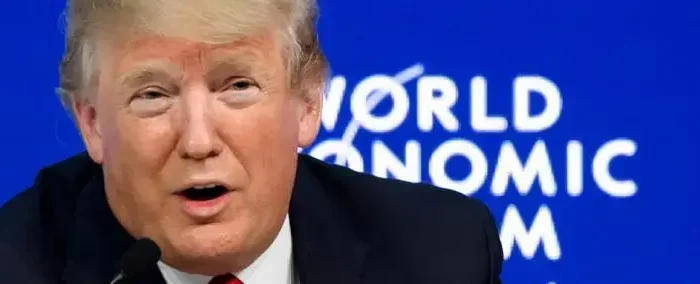
Too many interpretations of Trumpism have focused on Donald Trump or partisan maneuvers, overlooking the MAGA mass movement and its deep historical roots. This lecture proposes a new paradigm to better understand Trumpism, the history of the United States and the current era the country is traversing. It also offers concrete suggestions to counter the MAGA movement and discusses how Europeans can contribute to that struggle.