


Housed within the Maison des Arts du Grütli, Les Cinémas du Grütli is distinguished for its commitment to showcasing independent, international, and avant-garde films. Featuring multiple screening rooms, the cinema caters to cinephiles with a diverse daily selection of cinematic expressions, incorporating retrospectives, thematic cycles, and a thoughtful program tailored for a young audience. Notably, the cinema engages in collaborations with various cultural festivals and hosts premieres in the presence of film directors.
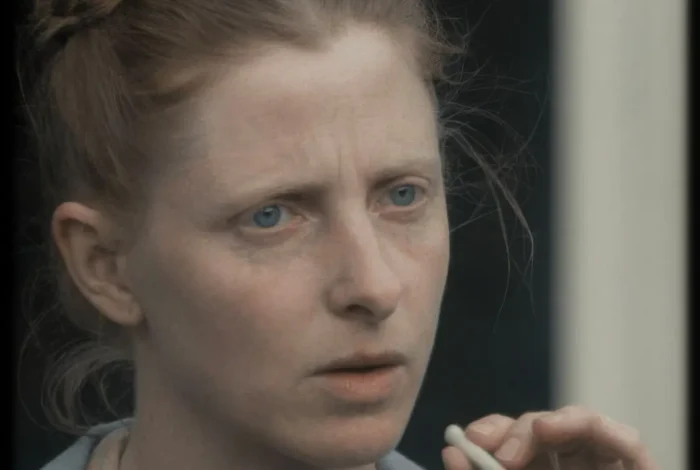
Cyril Schäublin’s Désordres is a singular historical drama set in the Swiss Jura of the 1870s. Through the eyes of a young Russian worker who discovers the watchmaking world and encounters anarchist militants around Saint-Imier, the film renders social history through gestures, work rhythms and intimate exchanges. Schäublin’s precise, distanced mise en scène examines labour organization, emergent political ideas and the tension between industrial time, production and the pursuit of emancipation.
In French. Screening preceded by Nice Time: Piccadilly Circus (1957, 18′)
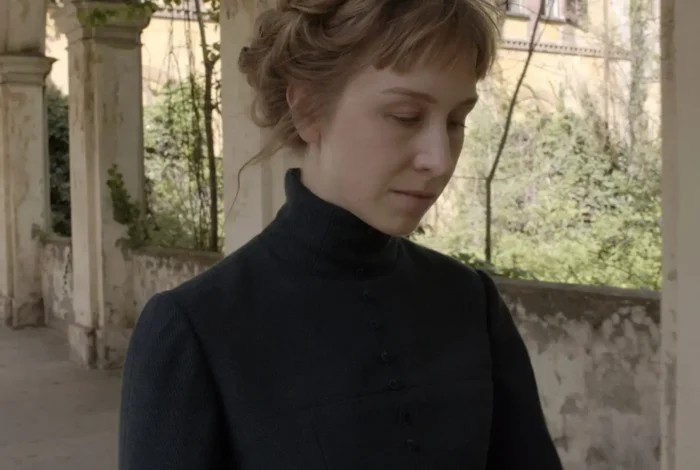
Stefan Jung’s Lydia – Asylum Stories revisits the life of Lydia Welti-Escher through the transcript of medical interviews conducted in Rome in January 1890, when she was confined to a psychiatric clinic. The film blends historical inquiry with an intimate portrait of a woman fighting for autonomy against the social conventions of her time. Its quiet intensity, anchored by testimony and reflection, opens onto a larger meditation on power, confinement, and resilience.
Followed by a round-table discussion featuring director Stefan Jung, Sylvie Savary (biographer of Lydia Welti-Escher), and Irène Herrmann (professor of history at the University of Geneva) / Moderated by: Adèle Morerod
In German with French subtitles.

Black Movie is a festival dedicated to independent and provocative cinema from around the world. The programme foregrounds daring voices and experimental forms, giving space to emerging filmmakers and bold visual languages. Across curated strands and retrospectives, it privileges intimate storytelling, formal risk and sensory atmospheres. The festival’s selections often probe identity, migration and social tensions, inviting concentrated, reflective viewing that favors unexpected narratives and cinematic daring.

This landing page gathers the +365 programme of the Festival du film et forum international sur les droits humains (FIFDH), highlighting festival news, critical writing and resources that connect cinema with human rights themes. It presents editorial content, programme updates and pathways to films and debates, offering context and reflection rather than screenings or schedules. The tone is informative and resource-oriented, aimed at professionals, students and anyone exploring human-rights cinema.
Your password has been reset successfully. You can now log in with your new password.
We’ve sent you a password reset email to the address provided. Please check your inbox and/or spam folder.
Please check your inbox for a verification email to complete your sign-up.
Culture, curated weekly.
Event removed from your CoolAgenda.

