Thursday 1 October, 12:30

Hidden Treasures of Graphic Arts

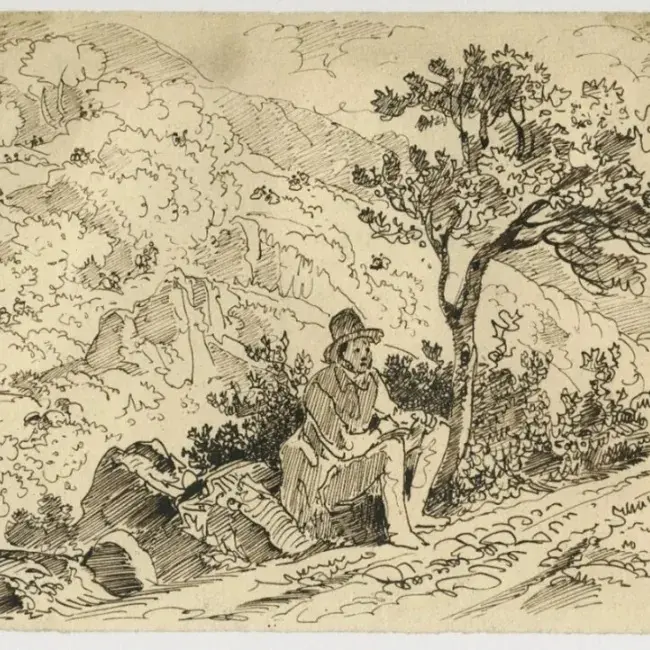
Discover hidden treasures from a museum’s graphic arts collection, including prints, drawings and rare books from Europe and beyond. An art historian welcomes visitors and offers close encounters with works on paper, facilitating insight into techniques, themes and historical context. This edition focuses on the notebooks and drawings of Rodolphe Töpffer, linked to his zigzag travels, and examines how sketching shaped his visual narratives.

In French.
Promenade du Pin 5 (3ème étage)
{"title":"Hidden Treasures of Graphic Arts","description":"\u003Cp\u003EDiscover hidden treasures from a museum's graphic arts collection, including prints, drawings and rare books from Europe and beyond. An art historian welcomes visitors and offers close encounters with works on paper, facilitating insight into techniques, themes and historical context. This edition focuses on the notebooks and drawings of Rodolphe T\u00f6pffer, linked to his zigzag travels, and examines how sketching shaped his visual narratives.\u003C\/p\u003E\u003Cp\u003E\u003Cstrong\u003EIn French.\u003C\/strong\u003E\u003C\/p\u003E","start_date":"2026-10-01","end_date":"2026-10-01","date":"Thursday 1 October, 12:30","timings":[{"timing_start_date":"20261001T103000Z","timing_end_date":"20261001T123000Z"}]}
Photo Credit: DR

You might also like

28 January – 23 December

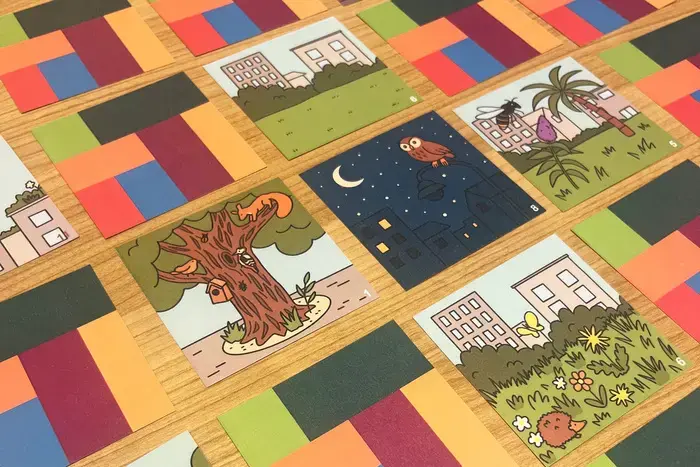
This interactive memory challenge invites participants to test their memory while exploring practical ways to preserve biodiversity based on Geneva’s municipal strategy. Players match “before-and-after” images that illustrate individual and institutional actions, and each correct pair reveals concise information explaining the measure. The activity examines themes such as habitat restoration, species-friendly practices, urban greening and policy responses, helping participants understand the impact and rationale behind everyday and organisational conservation choices.

Wednesday 23 September, 12:15

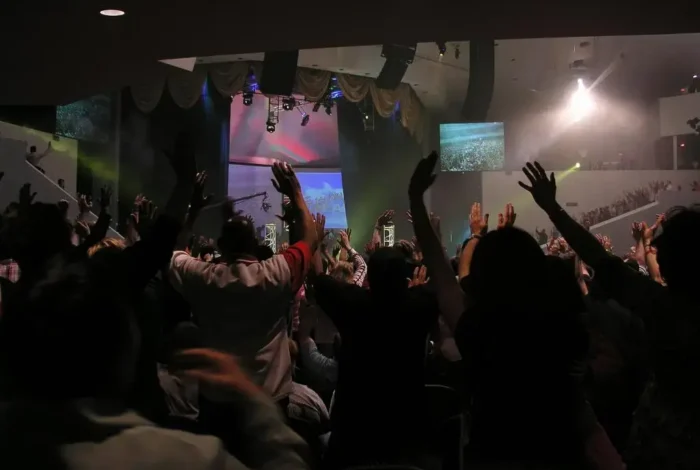
Laurent Tessier examines the history and contemporary politics of Christian Zionism as a transnational third actor in the Israeli–Palestinian conflict. Drawing on research from nineteenth-century British evangelical circles to present-day evangelical–Israeli alliances, he explores the political alliance, cultural affinity and prophetic expectation that sustain this involvement, and analyses internal tensions such as its ambiguous relation to antisemitism, the silence about Palestinian Christians and the growing convergence with the Israeli religious right.

In French.

Wednesday 23 September, 12:30

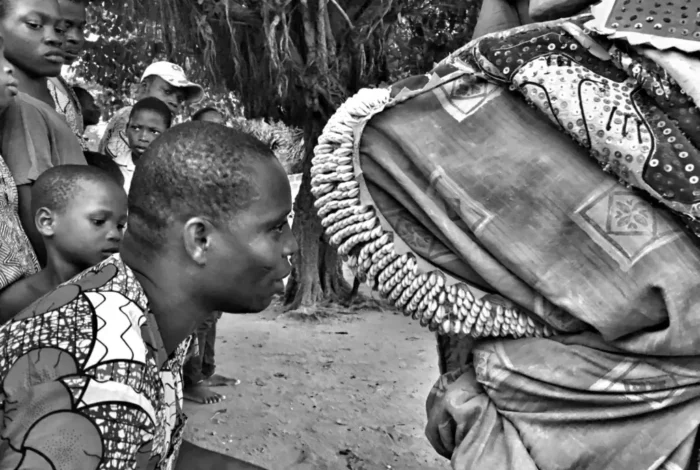
Philippe Charlier, forensic physician, anthropologist and director of research, presents an investigation into the circulating metaphysics of spirits in the vodun of Benin and the voodoo traditions of Haiti. Following the avenging deity Heviosso, the egungun dances of Benin and the flight of spirits associated with zombi phenomena in Haiti, he examines rituals that position these entities as intermediaries between the living, the souls and the ancestors.

In French.

Wednesday 23 September, 16:30

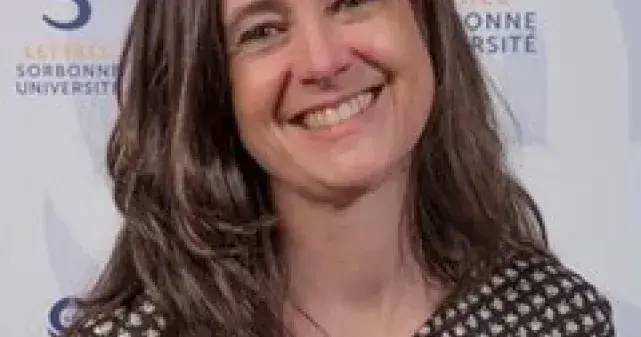
Hyacinthe Ravet, professor of sociomusicology at Sorbonne University’s Faculty of Letters and researcher at the Institut de Recherche en Musicologie, presents “What Is an Orchestra? Sociomusicological Enquiries.” Drawing on thirty years of field research inside orchestras, she examines individual career paths, the processes that produce collective cohesion, and the identity of the ensemble. The lecture offers analytical perspectives on authority, collaboration and musical practice within orchestral life.

In French.

Wednesday 23 September, 19:00

Sun Tzu taught us the art of war. Renowned political scientist Bertrand Badie invites us to consider what we might gain if we finally learned the art of peace. Drawing on his latest book, The Art of Peace, he explores how dialogue, cooperation, and collective action can help shape a different approach to conflict and international relations.

The Geneva Peace Forum brings together decision-makers, experts, civil society and international organisations to reflect on today’s most pressing challenges around peace and conflict prevention.

In partnership with the Geneva Peace Forum.

In French.

28 January – 23 December

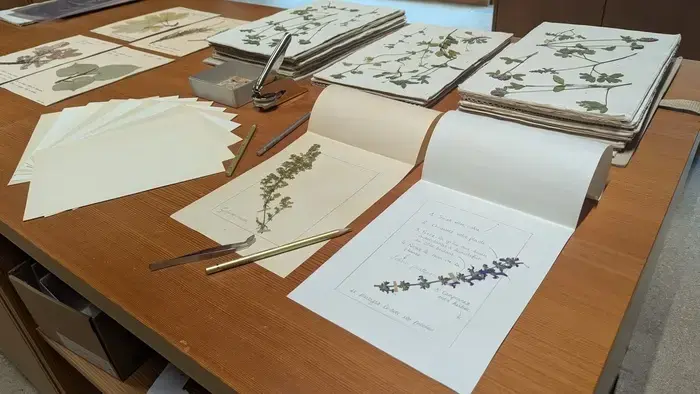
This workshop explores the traditional process of assembling a herbarium specimen, inspired by Jean-Jacques Rousseau’s collections. Participants learn scientific techniques for pressing and mounting dried plants on old paper, practice botanical labelling and nomenclature, and select specimens to create a personal herbarium sheet. The session examines preservation methods, identification principles and the historical context of Rousseau’s approach, combining practical skills with scientific insight to produce a lasting botanical object.

In French.

Oops! It seems there
are no events matching your selection!

Please adjust your criteria to see more results.

Password was reset

Your password has been reset successfully. You can now log in with your new password.

Check your Inbox

We’ve sent you a password reset email to the address provided. Please check your inbox and/or spam folder.

Thank you!

Please check your inbox for a verification email to complete your sign-up.

Newsletter

Culture, curated weekly.

Add to Calendar

Select the date to be saved in your Google calendar.

calendar placeholder

Done!

Event removed from your CoolAgenda.

Yeah!

Event Saved to your CoolAgenda

Add to CoolAgenda

In your CoolAgenda

Date

Title

Location

Description

calendar placeholder

Reset password

Forgot your password?

Sign Up

Create your Account and Culture Up!