

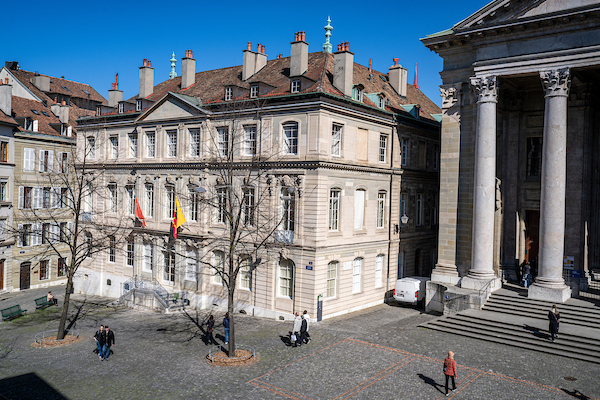
Housed in an elegant townhouse in Geneva’s Old Town, the International Museum of the Reformation traces the history of the Protestant Reformation across nine rooms, from the 16th century to today. Paintings, manuscripts, objects, and interactive displays explore the movement’s impact in Geneva and beyond. From Calvin to Martin Luther King, the permanent exhibition offers both chronological and thematic paths, with augmented reality features and audio guides available in ten languages.
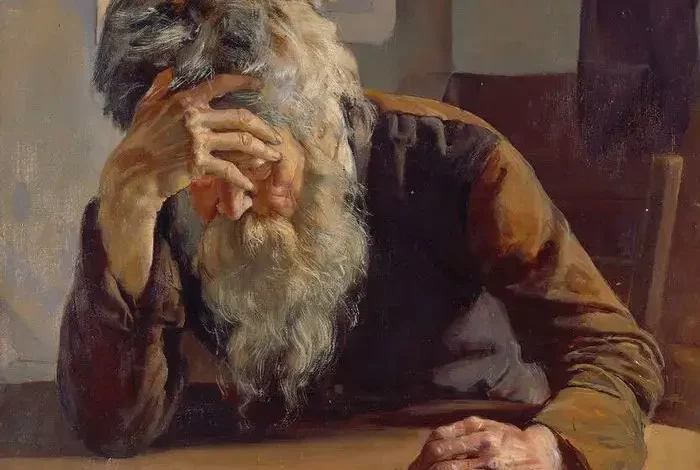
Niklaus Manuel Güdel presents a focused lecture on Ferdinand Hodler, guiding close readings of paintings and tracing the artist’s engagement with Italian pre‑Renaissance models such as Giotto.
The talk examines what Hodler sought in Trecento and Quattrocento precedents, focusing on the role and sincerity of gesture and how religious motifs informed his large-scale Symbolist compositions. It compares museum works and Italian originals, examines compositional strategies, and discusses why gestural expression became central to Hodler’s symbolic language.
In French.
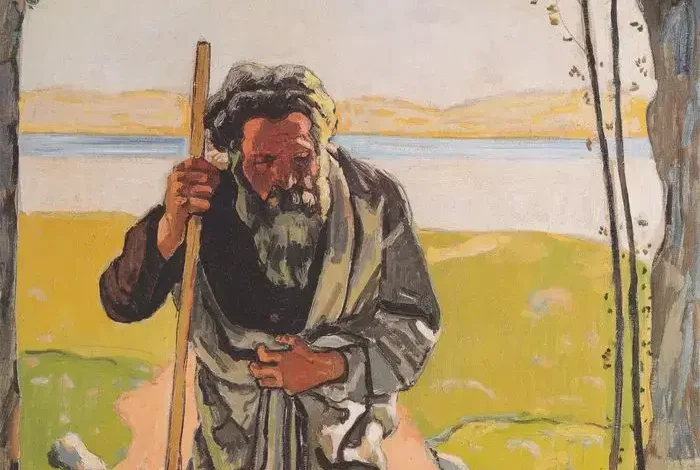
Compagnie La Renaissance stages a theatrical meditation on the Wandering Jew, weaving Gustave Doré’s twelve engravings with a twelve-canto poem recited by Lydia Weyrich. The live soundscape, with Gabriel Esteban’s cello and Eloïse Fares’ harp, moves between repertoire fragments by Beethoven, Saint‑Saëns, Bartók, Crumb, Gounod and Jewish folk songs, shading the pilgrim’s interior states. Visual and musical juxtapositions create a contemplative, sometimes haunted atmosphere that follows the tireless traveler’s longing and hope.
In French.
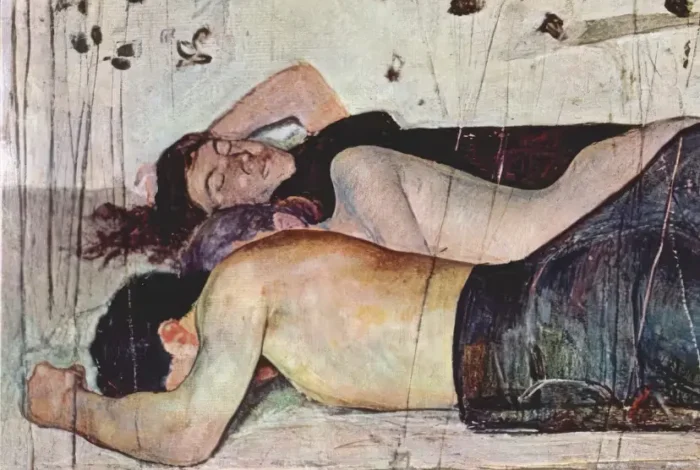
Contrechamps presents a program pairing a newly commissioned work by Dzovinar Mikirditsian for string trio with Arnold Schoenberg’s Verklärte Nacht arranged for string sextet. The concert explores themes of transfiguration and chromatic intensity, weaving intimate chamber textures with expansive harmonies. The performers engage in a dialogue between contemporary compositional voice and late-Romantic expression, highlighting timbral contrasts, meticulous phrasing and emotional transformation across the programme.
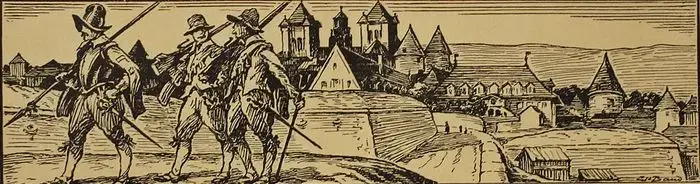
Patrice Delpin, a Genevan historian, presents research on lesser-known episodes of the Escalade and on gaps in collective memory using archival evidence.
The lecture reexamines events occurring beyond Geneva’s walls, disentangles legend from record, and investigates the case of the overlooked ’19th victim’ of the Escalade. Delpin examines how archival evidence and historiographic reassessment restore suppressed narratives and illuminate changing practices of collective remembrance.
In French.
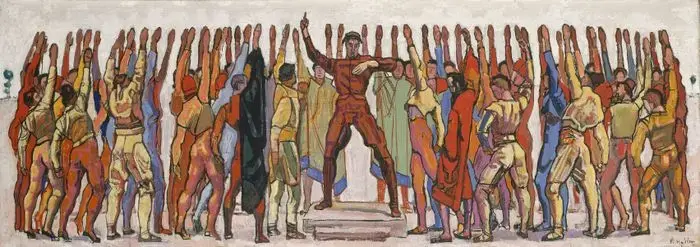
This lecture examines Ferdinand Hodler’s 1913 fresco Unanimity and the tension it encodes between collective gesture and individual conscience. Situating the work amid liberal democratic, Jacobin and authoritarian legacies, it investigates the painting’s contested reception — including its removal in 1914 — and asks whether Hodler depicted the Reformation as fostering pluralistic deliberation or critiquing enforced unanimity. By tracing links between Protestantism, republicanism and democracy, the talk shows how the Reformation served as a long-term catalyst for political controversy.
In French.
Your password has been reset successfully. You can now log in with your new password.
We’ve sent you a password reset email to the address provided. Please check your inbox and/or spam folder.
Please check your inbox for a verification email to complete your sign-up.
Culture, curated weekly.
Event removed from your CoolAgenda.

