


Located in a grand neo-classical building in Parc des Bastions, the Bibliothèque de Genève is the University of Geneva library. The library hosts events such as exhibitions, conferences, talks, and workshops. Noteworthy among its regular programs is the December exhibition on the history of the Escalade, and the recurring event “Les jeudis midi à l’affiche,” featuring guest speakers discussing graphic posters from the library’s collection.
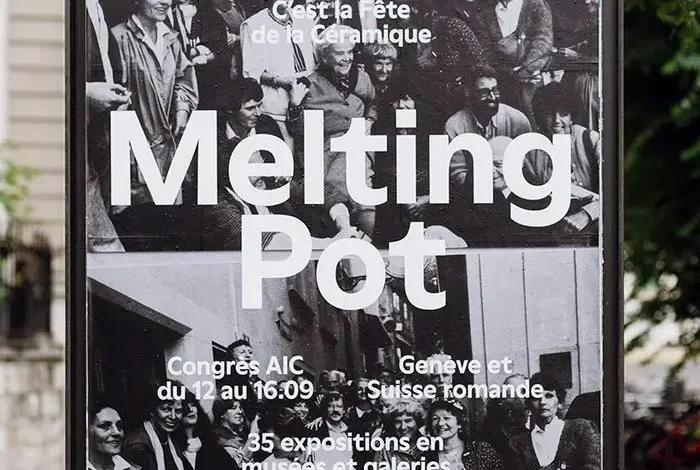
Nask (Nadja Zimmermann and Skander Najar), active for twenty years, has sustained its creativity through dialogue and the clash of ideas.
The session examines the role of encounter in creative processes as a source of meaning, high standards and humanity, exploring how dialogue shapes ideas, sets expectations and informs practice within graphic arts. It investigates themes of collaboration, critique and creative exchange, revealing insights on sustaining rigorous creative work.
In French.
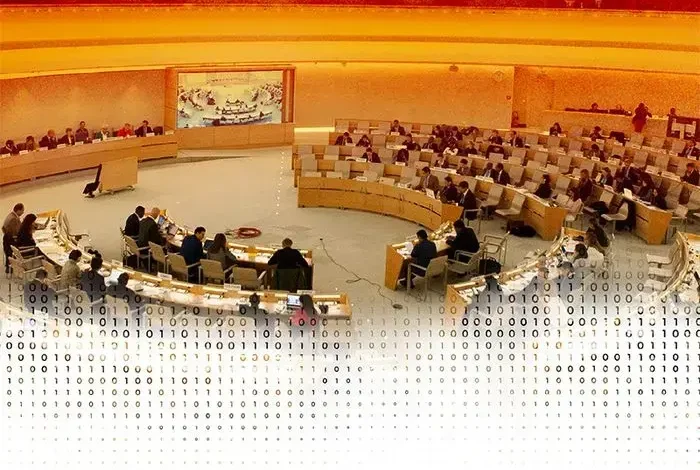
Florian Cafiero and Grégoire Mallard, researchers at the Centre for Digital Humanities and Multilateralism (Geneva Graduate Institute), study digital methods for archival curation and diplomatic history.
This lecture examines how multilateral negotiation archives can be transformed into dynamic research and diplomatic infrastructures through technical demonstration and conceptual reflection. It explores data modeling, accessibility, and interpretive practices to reveal new insights into multilateral processes and to inform both scholarship and diplomatic practice.
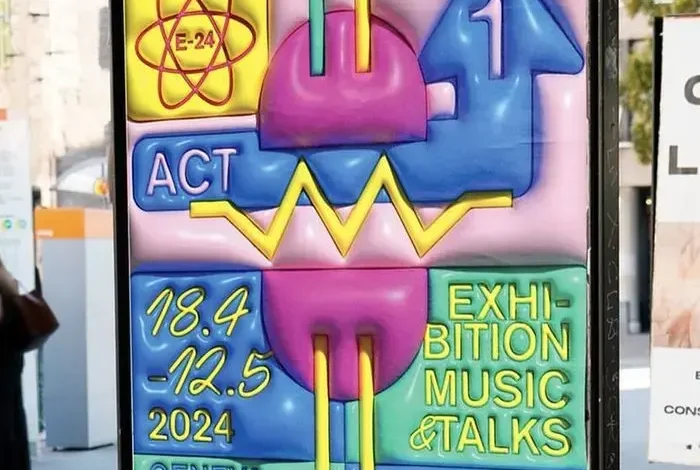
Mathilde Veuthey, a graphic designer based between Geneva and Valais, treats the printed poster as an experimental platform, balancing formal constraints with strong visual energy.
This talk examines her creative process and testing methods, exploring layout, typography, and material constraints while investigating punk aesthetics from the 1970s–1980s. Veuthey discusses how constraint-driven play generates unexpected solutions, revealing insights into poster-making’s role in visual culture and communication.
In French.
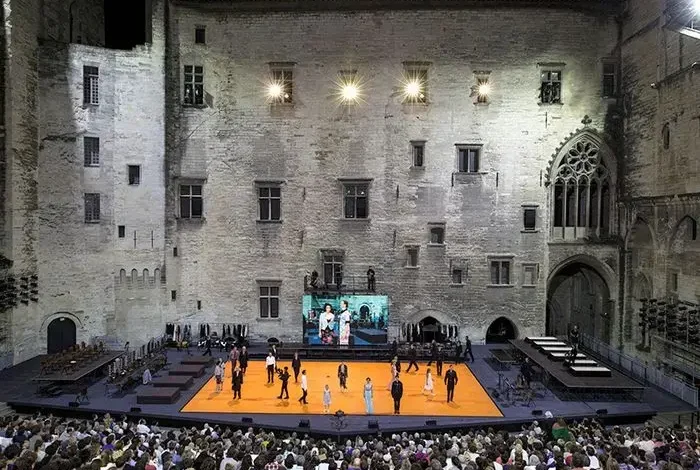
Clarisse Bardiot, researcher at University of Rennes 2, specialises in theatre history and digital methods. She works with archival collections and computational analysis to map performance histories.
This lecture examines how Avignon Festival archives—programs, photographs and recordings—can be interrogated computationally to document over 2,000 performances from 1947 to today. It explores methods, challenges in metadata, and how digital tools reveal patterns in repertoire, networks and theatrical heritage.
In French.
Sylvain Wenger, Director of Scientific and Cultural Projects, draws on his work curating and researching cultural programmes to examine long-term interactions between economy and the arts.
This lecture examines 250 years of exchange between industry, commerce and creativity, exploring how industrial and agricultural competitions, public exhibitions and institutional practices shaped cultural economies. Wenger explores mechanisms by which the Société des Arts de Genève blended market forces and artistic production, revealing historical dynamics that inform contemporary cultural policy and creative economies.
In French.
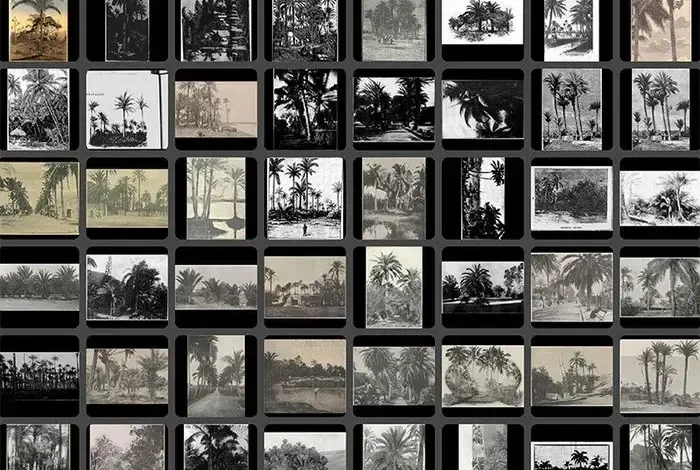
Béatrice Joyeux-Prunel, Chair in Digital Humanities at the University of Geneva, combines historical scholarship with computational methods to study images and their circulation across time and space.
This lecture examines the global circulation of images over the past century through a large-scale study of the illustrated press, merging historical methods, computer vision and spatiotemporal representation. It investigates methodological challenges, potential biases and the broader implications of image circulation for visual culture and historical knowledge.
In French.
Your password has been reset successfully. You can now log in with your new password.
We’ve sent you a password reset email to the address provided. Please check your inbox and/or spam folder.
Please check your inbox for a verification email to complete your sign-up.
Culture, curated weekly.
Event removed from your CoolAgenda.

